
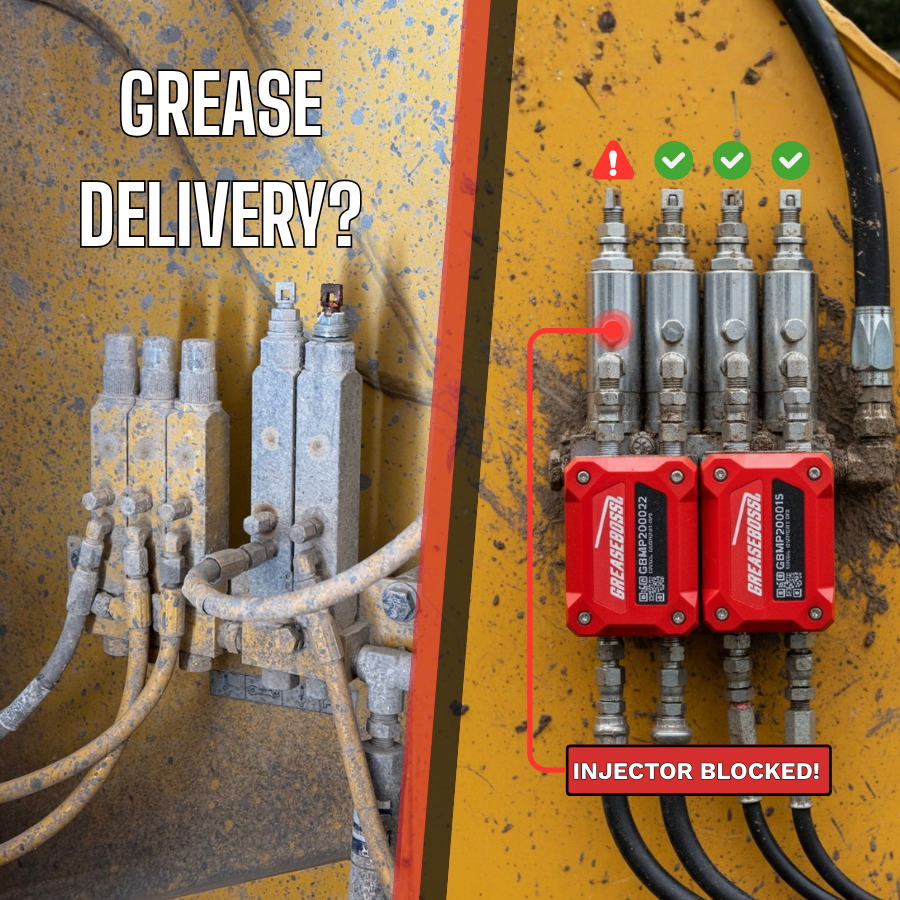
Bearing failures, injector breakdowns, and blown hoses rarely announce themselves in advance. The damage shows up as unplanned downtime, missed production targets, and repair bills that dwarf the cost of the grease that should have been there.
Lubrication monitoring technologies give maintenance teams the ability to detect these problems early, verify that grease is reaching every critical point, and make data-driven decisions that keep equipment running.
This article breaks down the core monitoring methods used in industrial machinery, explains how each one supports predictive maintenance, and shows where verified grease delivery fits into a modern reliability program.
Key Takeaways: Understanding Lubrication Monitoring Technologies
- Oil analysis, vibration monitoring, and ultrasound each reveal different stages of lubricant degradation and machine wear.
- Online sensors deliver near real-time data, while laboratory analysis captures detailed chemical and particle information.
- Wear particle analysis identifies the type and severity of component damage before a failure event occurs.
- GreaseBoss verifies exact grease volumes at the point of delivery, closing the gap between planned and actual lubrication.
- Combining multiple monitoring methods strengthens your predictive maintenance program and reduces unplanned downtime.
What Is Lubricant Condition Monitoring?
Lubricant condition monitoring is the practice of testing and tracking the physical and chemical properties of a lubricant while it is in service. The goal is straightforward: catch degradation, contamination, or incorrect application before equipment damage occurs.
Tests can target the lubricant itself (viscosity, oxidation, additive depletion), contaminants that have entered the oil or grease (water, dirt, process chemicals), and wear particles generated by the machine’s own components. Each category tells you something different about what is happening inside the equipment.
For grease-lubricated assets, monitoring takes on an additional challenge. Grease does not circulate in a return loop the way oil does, so traditional sampling techniques do not apply. Verification of delivery volume and frequency at the grease point itself becomes the most reliable indicator of lubrication health.
How Does Oil Analysis Support Predictive Maintenance?

Oil analysis is one of the most established condition monitoring methods. A sample is drawn from the equipment, sent to a laboratory, and tested for viscosity, acid number, water content, and particle count.
Results are trended over time to identify when a lubricant is deteriorating or when the machine is generating abnormal wear.
According to a 2025 Maintenance World article, integrating monitoring data with automatic lubrication systems has delivered measurable reductions in grease consumption and wear-related costs at industrial sites. Trending oil analysis data helps maintenance teams schedule changes and repairs during planned maintenance windows, rather than reacting to breakdowns.
This method works well for oil-lubricated systems with circulating reservoirs. For heavy mobile equipment and fixed plant assets lubricated with grease, a different approach is needed to confirm that the correct volume actually reaches each bearing or pin.
What Role Does Vibration Monitoring Play?
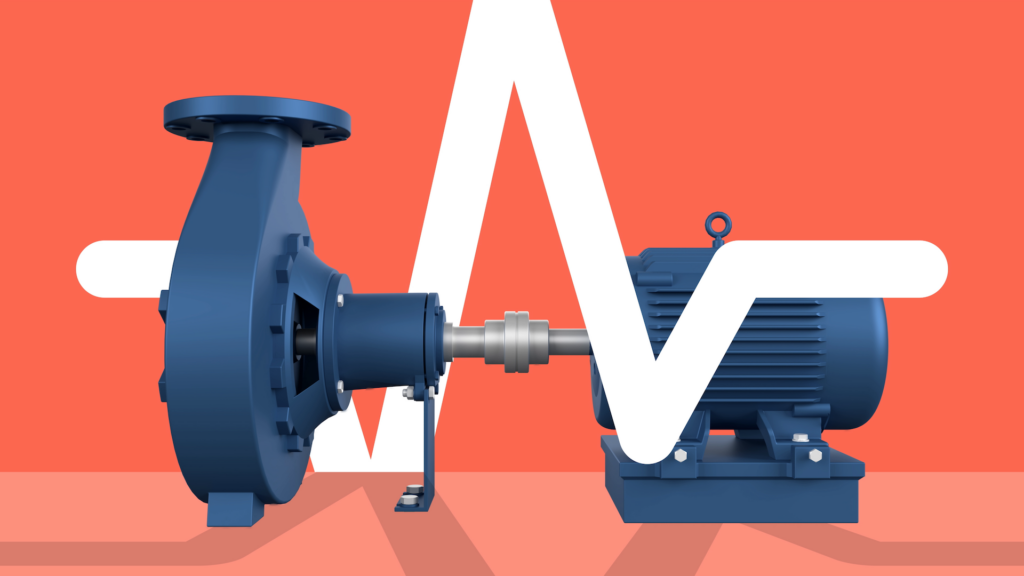
Vibration analysis detects mechanical issues by measuring the frequency and amplitude of vibrations produced by rotating components. A bearing that is running dry or wearing unevenly will produce distinct vibration signatures long before it fails catastrophically.
Maintenance teams use vibration data to identify misalignment, imbalance, looseness, and bearing defects. When combined with lubrication data, vibration monitoring helps confirm whether a developing fault is related to insufficient grease or to a separate mechanical problem.
The limitation is that vibration analysis is typically a lagging indicator for lubrication issues. By the time a bearing’s vibration signature changes due to poor lubrication, some damage has already occurred. A system that verifies grease delivery at the point of application catches the lubrication shortfall earlier in the failure chain.
How Does Ultrasound Detect Lubrication Problems?
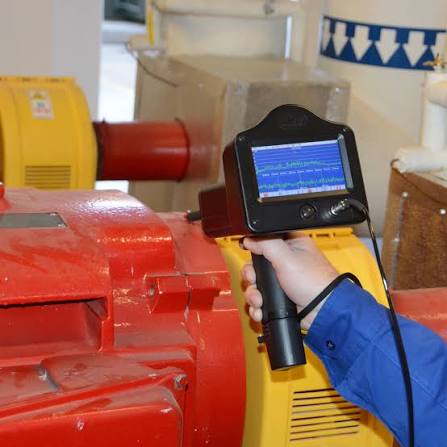
Ultrasonic monitoring listens for high-frequency sound waves generated by contact stress in rotating equipment. An under-lubricated bearing produces a distinct acoustic signal that rises above the normal baseline.
Technicians use handheld or permanently mounted ultrasound instruments to check bearings and other components during routine rounds. Ultrasound is valued for its sensitivity. It can detect contact-related acoustic changes caused by inadequate grease before temperature or vibration shifts become obvious.
Some maintenance programs use ultrasound-assisted greasing, where a technician applies grease while monitoring the acoustic signal and stops when the signal returns to baseline.
This approach works for manual greasing of accessible bearings. For automatic lubrication systems on heavy mobile equipment, where dozens of grease points fire simultaneously without a technician present, digital monitoring at each endpoint is required to confirm correct delivery.
How Do Online Sensors Compare to Laboratory Testing?
Laboratory oil analysis offers detailed chemical and physical testing, including spectrometric metal detection, Karl Fischer water measurement, and particle counting down to micron-level resolution. The trade-off is turnaround time. Samples typically take several days from collection to results.
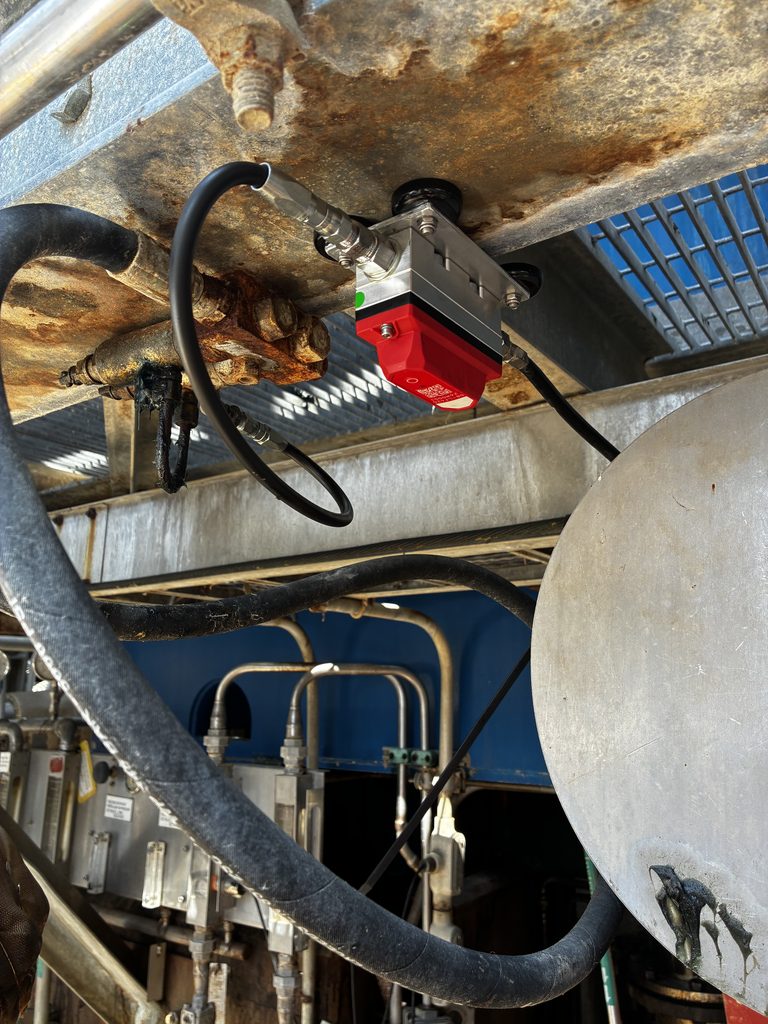
Flow sensors installed directly on the critical point or in-line with the injector can track grease flow and temperature in near real-time. Deviations can trigger alerts immediately, rather than waiting for a lab report.
A 2025 study published in Lubricants journal found that multi-sensor fusion approaches can improve predictive accuracy for lubricant health assessment.
For grease-lubricated assets, GreaseBoss Endpoint devices function as online verification sensors, recording the exact volume of grease delivered at each point and syncing that data to the GreaseBoss Cloud for automated alerting and compliance reporting. This approach closes the gap between what was planned and what was actually applied.
Why Does Verified Grease Delivery Matter for Predictive Maintenance?
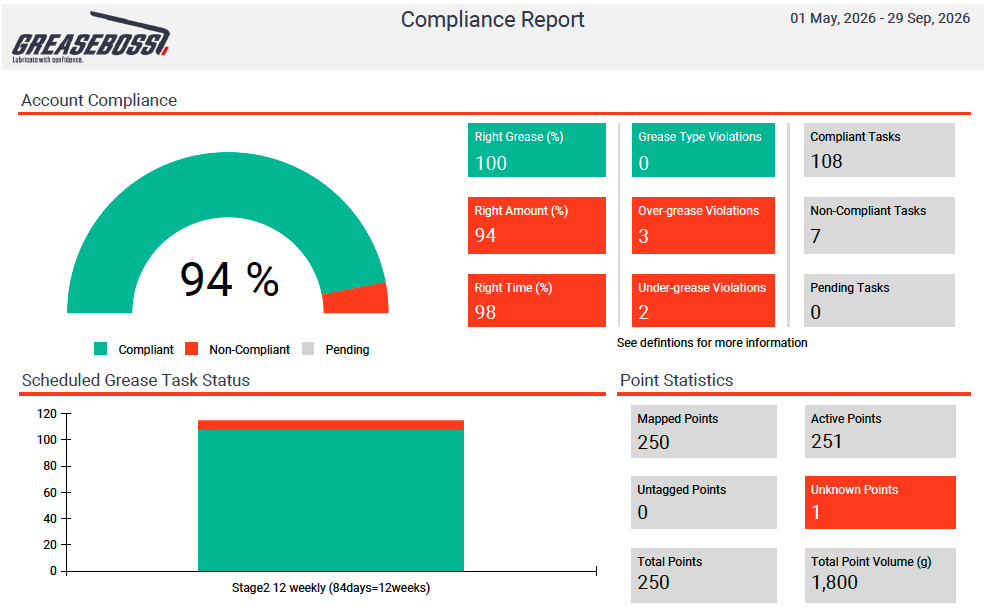
Most condition monitoring methods detect the consequences of poor lubrication: elevated wear particles, increased vibration, abnormal temperatures. Verified grease delivery addresses the cause. When you confirm that each grease point receives the correct volume at the correct frequency, you prevent the failure chain from starting.
GreaseBoss tracks planned versus actual grease delivery across entire fleets of fixed plant and mobile equipment. If an injector bypasses, a hose ruptures, or a pump timer is misconfigured, the system triggers automatic alerts so your maintenance team can intervene before a bearing or pin fails.
This visibility is especially important on heavy mobile equipment, where automatic lubrication systems operate in extreme conditions. Failed injectors and blown hoses can go undetected for weeks under traditional inspection methods. Digital monitoring at the endpoint removes that blind spot entirely.
How to Build a Multi-Layered Monitoring Strategy
No single monitoring technology covers every failure mode. A strong reliability program layers multiple methods to catch different types of degradation at different stages. Oil analysis identifies chemical changes and contamination. Vibration and ultrasound flag mechanical faults. Wear particle analysis confirms active damage.
Grease delivery verification sits at the front of this chain. Confirming correct lubrication at the point of application prevents the conditions that oil analysis, vibration, and ultrasound are designed to detect. When these technologies are layered together, your maintenance team gains a full picture of asset health, from lubricant condition through to component wear.
The key is matching each method to the assets and failure modes where it adds the most value. High-criticality bearings on mobile equipment benefit from point-of-delivery grease verification. Large oil-filled gearboxes benefit from routine sampling and online particle monitoring. A targeted strategy avoids unnecessary cost while covering your highest-risk assets.
In Conclusion: Choosing the Right Monitoring Approach for Your Site
Lubrication monitoring is not a single technology. It is a set of methods, each designed to answer a different question about the condition of your lubricant and the health of your equipment.
Oil analysis, vibration monitoring, ultrasound, wear particle analysis, and online sensors all have a role in a mature predictive maintenance program.
The most effective programs start with verified delivery. When you know the right grease reached the right point in the right volume, every other monitoring method becomes more meaningful.
GreaseBoss gives maintenance teams that verification, turning grease activity into reliable data that supports smarter, faster maintenance decisions. Ready to see how this works on your site? Talk to the GreaseBoss team.
FAQs About Lubrication Monitoring Technologies
What is the difference between oil analysis and lubricant condition monitoring?
Oil analysis is one method used in a broader lubricant condition monitoring program. Condition monitoring also includes online sensors, field tests, and grease delivery verification. Together, these methods give you a fuller picture of lubricant and machine health.
Can lubrication monitoring prevent bearing failures?
Yes. Monitoring catches issues like contamination, degradation, and insufficient grease delivery before they cause bearing damage. GreaseBoss takes this further by verifying exact grease volumes at each point, preventing failures caused by under-lubrication or injector faults.
How does GreaseBoss fit into a predictive maintenance program?
GreaseBoss verifies that every grease point receives the correct volume at the correct frequency. Automatic alerts flag delivery shortfalls immediately, enabling your team to schedule targeted maintenance before equipment is damaged. This data integrates with your broader reliability strategy.
What are the main types of lubrication monitoring sensors?
Common sensor types include moisture sensors, particle counters, dielectric sensors, and temperature probes for oil systems. For grease systems, GreaseBoss Endpoint devices measure delivery volume at the point of application and sync data to the cloud for reporting and alerts.
Is online monitoring better than laboratory oil analysis?
Each has strengths. Online monitoring delivers near real-time alerts for rapid response. Laboratory analysis offers deeper chemical and particle detail for root cause investigation. The strongest programs use both, matched to the criticality and failure modes of each asset.
How does wear particle analysis help identify equipment problems?
Wear particles in used lubricant reveal the type, location, and severity of component wear. Cutting particles, fatigue chunks, and corrosion debris each point to a specific failure mechanism. Pairing this data with verified grease delivery records helps pinpoint whether poor lubrication is the root cause.