
Bearing failures rarely arrive without warning. In most cases, the root cause traces back to grease that never reached the bearing or arrived in the wrong volume. Catching these delivery faults early means fewer unplanned shutdowns and lower repair costs for your site.
This guide walks you through seven practical steps to confirm grease is reaching your bearings correctly. You will learn how to inspect lines, test injectors, verify pump settings, and track actual delivery volumes. GreaseBoss gives your maintenance team the tools to verify every grease point, and the steps below apply to both manual and automatic lubrication systems.
Quick Guide: How to Check Grease Delivery to Bearings in 7 Easy Steps
- Review the Lubrication Schedule and Specifications: Confirm each bearing’s required grease type, volume, and frequency.
- Inspect Grease Lines for Blockages or Damage: Walk the full line run checking for kinks, cracks, and collapsed hoses.
- Check Injector Operation and Output: Observe each injector firing and verify its discharge volume matches specifications.
- Verify Pump Settings and Cycle Timing: Compare pump timer intervals and pressure output against the OEM settings.
- Examine Grease at the Bearing Delivery Point: Inspect the grease condition at each fitting to confirm fresh lubricant arrives.
- Monitor Grease Volume with Flow Measurement: Install endpoint flow devices to record exact volumes at each delivery point.
- Document Findings and Set Up Ongoing Alerts: Log all results in your GreaseBoss Cloud dashboard and configure automated notifications.
How to Verify Grease Delivery to Your Bearings
1. Review the Lubrication Schedule and Specifications
Start by pulling up the lubrication schedule for each asset. Every bearing has a defined grease type, a target volume per cycle, and a required greasing frequency set by the OEM or your reliability engineer.
Cross-check these specifications against what your team is executing on the ground. Mismatches between the planned schedule and actual practice are the most common source of under-greasing faults.
If your schedule lives on paper or in a spreadsheet, compare it against the OEM manual for each asset. Look for entries where the grease type or volume has been changed without documentation. A single wrong figure can starve a bearing over weeks of operation.
2. Inspect Grease Lines for Blockages or Damage
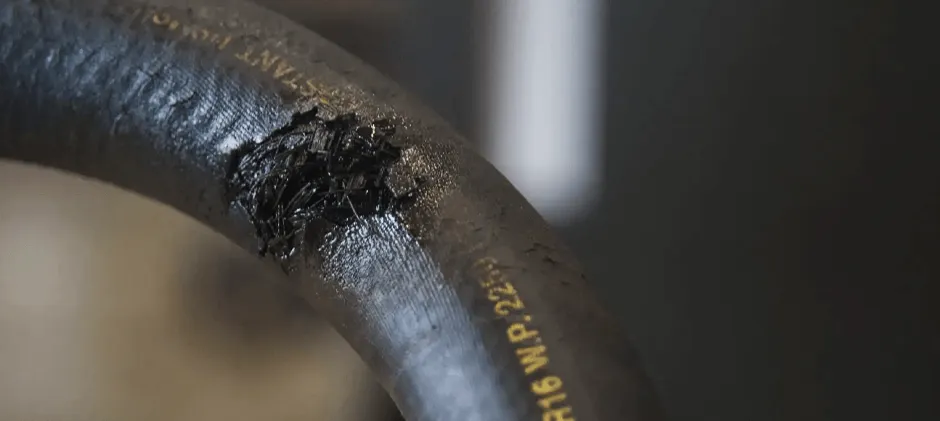
Walk the full length of each grease line from the pump outlet to the final delivery fitting. You are looking for physical damage: kinks, cracks, bulging sections, or hoses that have collapsed under vibration or heat.
Pay close attention to connection points. Fittings can loosen over time, allowing grease to leak before it reaches the bearing. A small drip at a junction means reduced volume downstream.
On fixed plant equipment, lines routed near heat sources or moving parts are especially prone to wear. Replace damaged sections immediately. A blocked or broken line delivers zero grease to the bearing, no matter how well the pump performs.
3. Check Injector Operation and Output
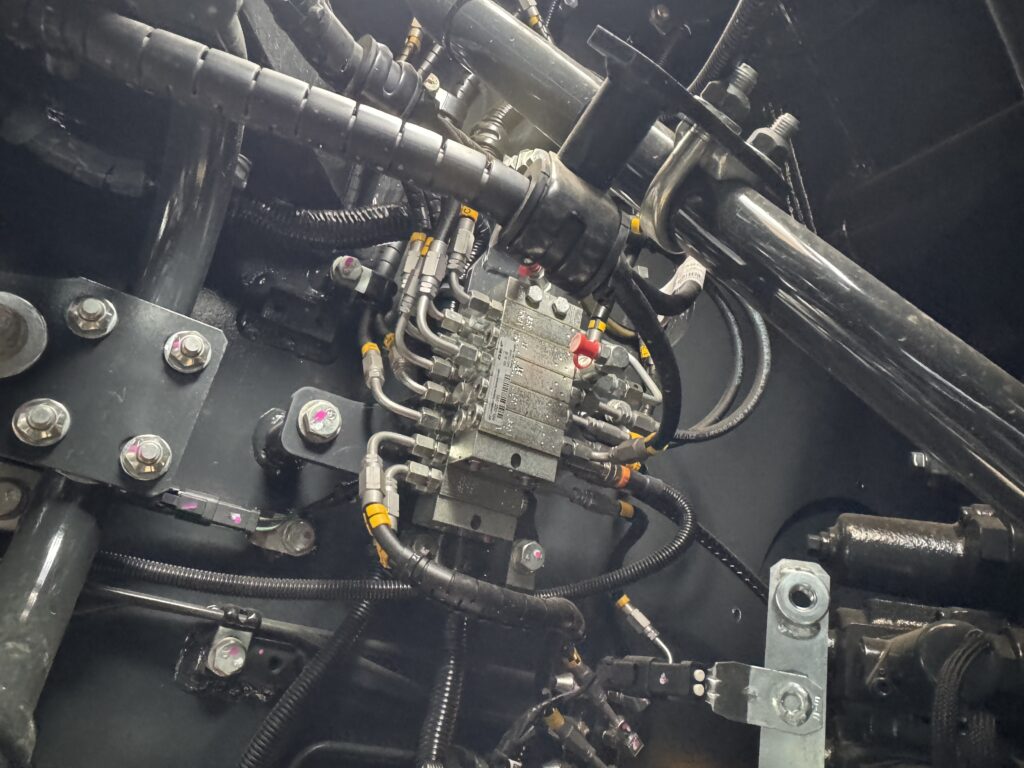
Injectors are the metering devices that control how much grease each bearing receives per pump cycle. Over time, injectors can bypass, stick, or lose calibration.
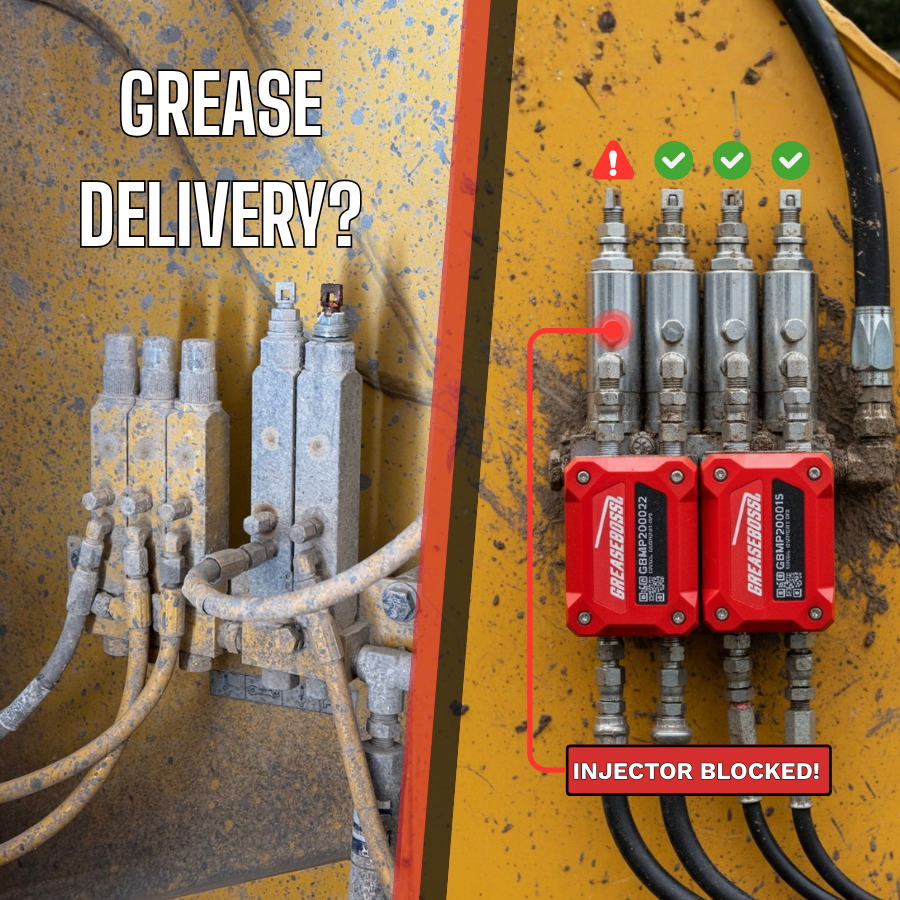
To test an injector, watch the indicator pin or stroke indicator while the pump fires. If the pin does not travel its full stroke, the injector is not delivering its rated volume. A bypassing injector lets grease pass through without building enough pressure to reach the bearing.
On mobile equipment with injector-based autolube systems, the Endpoint MP2 from GreaseBoss detects hose and line breakages and monitors injector conditions in real time. This removes the need for manual stroke checks on every cycle.
4. Verify Pump Settings and Cycle Timing
Your automatic lubrication pump should fire at an interval that matches the OEM recommendation for your operating conditions. If the timer is set too long, bearings receive less grease than they need between cycles.
Check the pump timer setting against the documented specification. Then observe two or three cycles to confirm the pump builds adequate line pressure. Low pressure at the gauge typically points to a worn pump element, air in the system, or a reservoir running low on grease.
An incorrect pump timer setting is one of the most frequently missed faults on heavy mobile equipment. Even a minor misconfiguration can reduce grease delivery by half or more across every bearing on the circuit.
5. Examine Grease at the Bearing Delivery Point
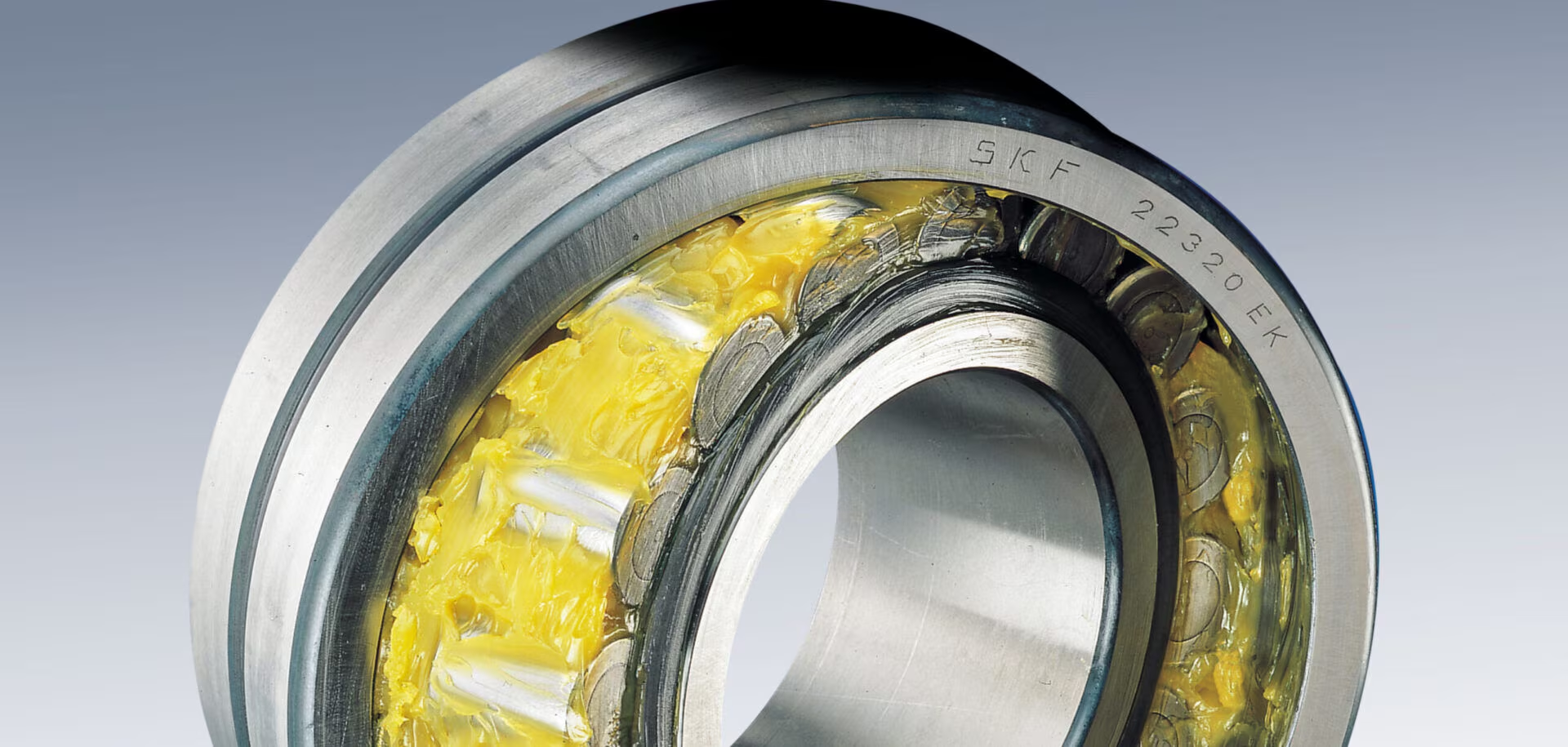
The most direct way to confirm delivery is to check the grease at the bearing itself. Remove the relief fitting or inspection port and look at the lubricant that comes out.
Fresh grease should appear consistent in color, texture, and volume. Discolored, dried, or gritty grease signals that the bearing has not received new lubricant recently. A 2019 analysis by Reliable Media notes that lubrication accounts for 36% of premature bearing failures, making this physical check one of the most valuable steps you can take.
If you find contaminated or degraded grease, flush the bearing housing and regrease to specification before putting the asset back into service.
6. Monitor Grease Volume with Flow Measurement
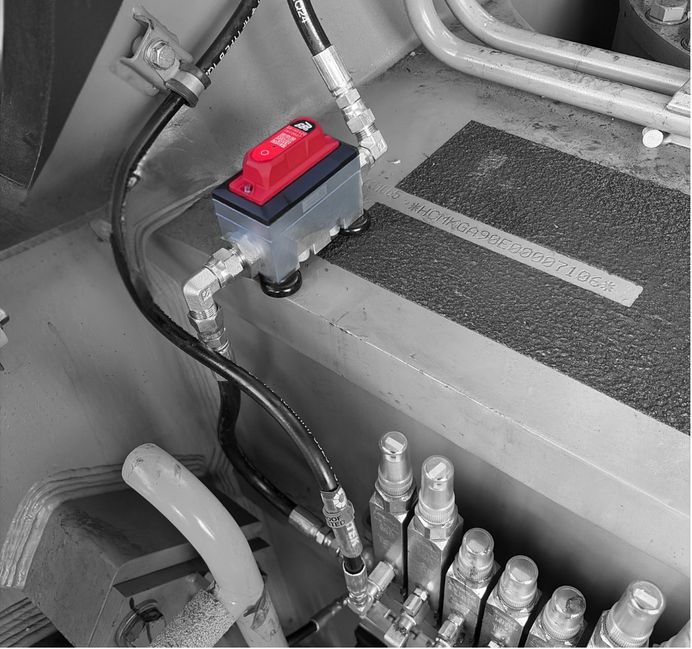
Manual inspections catch problems at a single point in time. To track grease delivery between inspections, install flow measurement devices at the point of delivery.
The GreaseBoss Endpoint HF records the exact volume of grease passing through each line every time the pump fires. This data syncs to the cloud, where it is compared against planned volumes. If a bearing receives less grease than its target, the deviation appears on your dashboard before the bearing shows any sign of wear.
Flow measurement shifts your approach from reactive spot-checks to verified, data-driven lubrication monitoring. You stop asking “did we grease it?” and start confirming “how much did it get?”
7. Document Findings and Set Up Ongoing Alerts
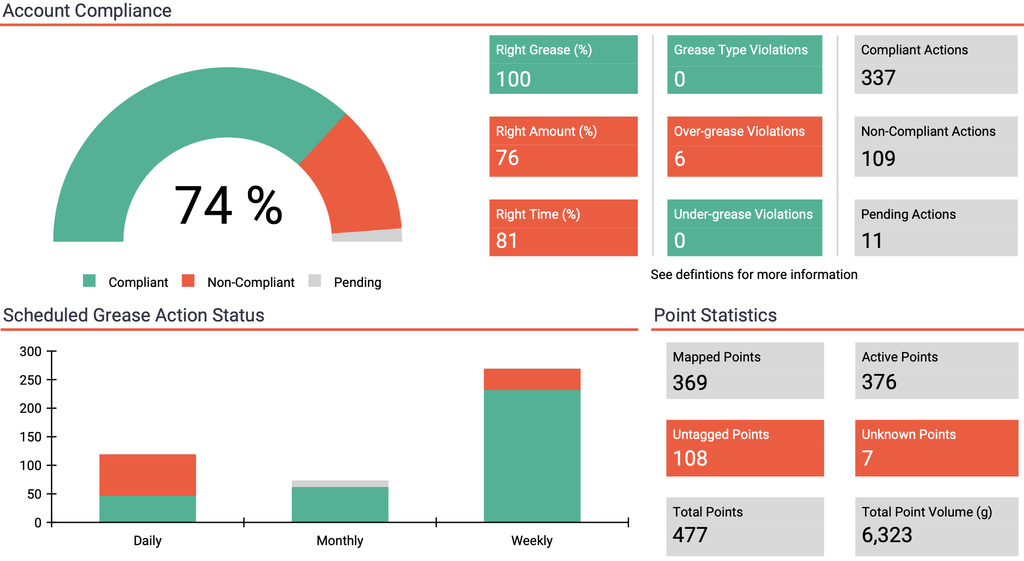
Recording your inspection results closes the loop. Log the condition of each line, injector, pump setting, and delivery point so your team can track trends over time.
With GreaseBoss Cloud, planned-vs-actual reporting runs automatically. Each grease event is captured, time-stamped, and mapped to the critical bearing. If a bearing falls outside its target volume or frequency, the system triggers an alert to your maintenance team.
Consistent documentation also supports OEM warranty claims. When you can show verified compliance records for every grease point, you protect your operation from disputed warranty situations down the track.
What Causes Grease to Not Reach a Bearing?
Several mechanical and configuration faults can prevent grease from arriving at the bearing. Blocked or kinked supply lines are a primary cause, especially on older equipment where hoses have been exposed to heat and vibration for extended periods.
Bypassing injectors rank as another frequent offender. When an injector fails to seal correctly, grease takes the path of least resistance and recirculates rather than being pushed to the bearing. Incorrect pump timer settings compound this by reducing the volume available per cycle.
Air trapped in the grease lines can also create dead spots. After any line replacement or fitting change, purge the system to remove air pockets before returning the equipment to operation. On large fixed plant and mobile fleets, digital lubrication monitoring catches these faults in near real time, well before a bearing overheats or seizes.
How Often Should You Inspect Grease Delivery on Critical Assets?
Inspection frequency depends on the severity of your operating environment and the criticality of the asset. High-load bearings on haul trucks, crushers, and mills typically need weekly or even daily verification because the consequences of failure are significant.
For standard manual lubrication rounds on fixed plant equipment, a monthly physical inspection combined with verified data logging gives you a reliable baseline. Use your planned-vs-actual compliance data to identify which assets show the most variation and prioritize them for more frequent checks.
Automated monitoring removes much of the manual burden. When endpoint devices report every pump cycle, your inspection cadence can shift from calendar-based checks to exception-based responses. You intervene only when the data flags an anomaly, which keeps your team focused on the assets that need attention most.
How GreaseBoss Helps You Verify Grease Delivery to Every Bearing
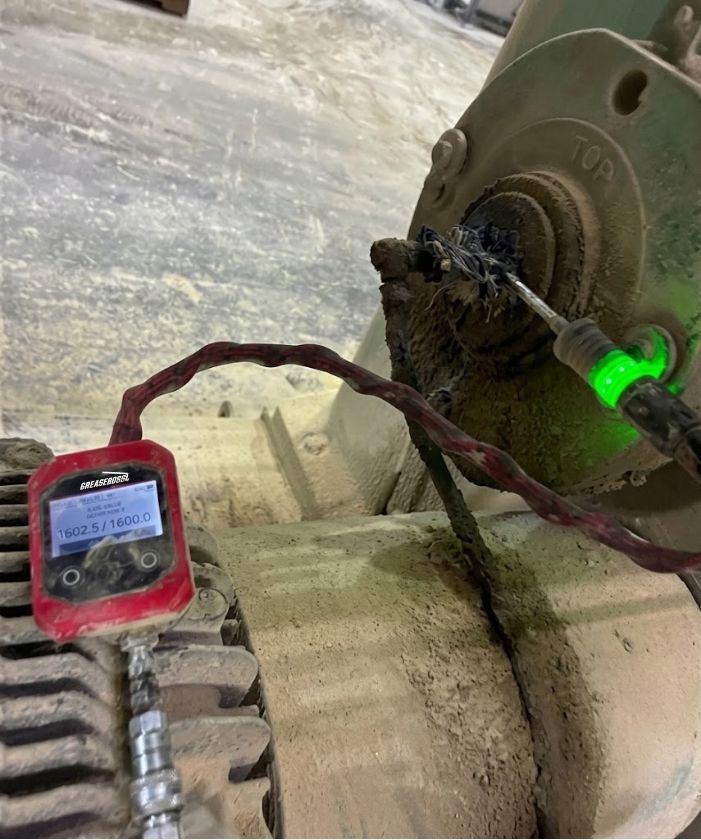
GreaseBoss gives you end-to-end visibility over your lubrication operations, from the pump to the bearing. The system combines industrial-grade hardware with cloud-based reporting to verify that every grease point receives the correct volume at the right frequency.
For automatic lubrication systems, Endpoint flow meters record the exact grease volume at the point of delivery. For manual rounds, the Head Unit retrofits to any grease gun and guides your team through each lube route with RFID GreaseTag identification. Every event syncs to GreaseBoss Cloud, where planned-vs-actual analysis highlights deviations before they cause damage.
Maintenance teams across the world trust GreaseBoss to reduce bearing failures, support OEM warranty compliance, and turn grease activity into reliable data for prescriptive maintenance. If you want certainty that your bearings are being greased correctly, talk with a GreaseBoss expert to see how the system fits your site.
FAQs About Checking Grease Delivery to Bearings
How do I know if my bearings are getting enough grease?
Check the grease at the bearing delivery point for fresh, consistent lubricant. GreaseBoss verifies the exact volume delivered to each grease point and alerts your team if any bearing falls below its target.
What are the signs of a bypassing injector?
A bypassing injector will show incomplete indicator pin travel during a pump cycle. You may also notice grease accumulation at the injector body rather than at the bearing fitting. The GreaseBoss Endpoint MP2 monitors injector conditions and flags bypass faults automatically.
Can I verify grease delivery without dismantling equipment?
Yes. GreaseBoss Endpoint flow meters measure grease volume at the delivery point without requiring disassembly. The data is transmitted wirelessly to the cloud for comparison against your planned volumes.
How does pump timer misconfiguration affect bearing life?
An incorrect pump timer setting reduces grease volume per cycle, which means bearings operate with less lubrication than they need. Over time, this accelerates wear on rolling elements and raceways, shortening bearing life significantly.
What should I look for when inspecting grease lines?
Check for kinks, cracks, bulging sections, loose fittings, and signs of external abrasion. Any physical damage or leak along the line reduces the grease volume that reaches downstream bearings.