
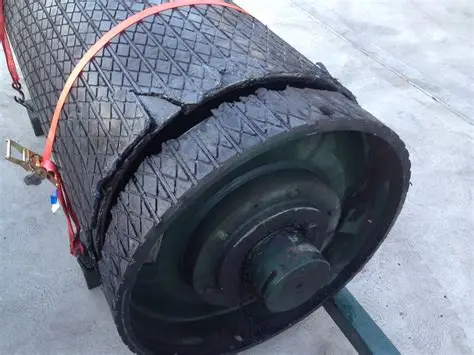
Common Causes of Conveyor Breakdown Issues
Conveyor breakdowns rarely come from one isolated fault. A belt may stop because a pulley bearing overheated, but the deeper issue could be contamination, belt mistracking, excessive tension, poor lubrication, or a failing drive component. Understanding the common breakdown causes helps maintenance teams spot early warning signs, plan repairs before production stops, and extend the life of bearings, belts, pulleys, motors, pumps, and gearboxes.
What causes conveyor pulley bearing failure?
Conveyor pulley bearing failure is commonly caused by contamination, misalignment, improper lubrication, excessive load, high heat, damaged seals, and operating conditions that place uneven stress on the bearing. In practical terms, the bearing is often the point where several conveyor problems finally show up: dust enters the housing, the belt pulls unevenly, the pulley shaft runs out of alignment, and the bearing absorbs forces it was never meant to carry for long.
In dusty or abrasive environments, fine material can work past worn seals and mix with lubricant. Once that happens, the lubricant no longer protects the rolling surfaces properly. Instead of reducing friction, it can become a grinding compound that accelerates wear, raises temperature, and eventually leads to noise, vibration, seizure, or shaft damage.
Misalignment is another major contributor. A pulley that is not square to the belt path may still run, but it loads one side of the bearing more heavily than the other. Over time, that uneven force can damage rolling elements, loosen mounting hardware, distort housings, and create recurring failures even after a bearing is replaced.

Conveyor problems are connected, not separate
A conveyor is a linked system: belt, pulleys, idlers, bearings, motor, reducer, frame, cleaners, and loading zones all affect one another. When one component begins to fail, it often changes the operating conditions for nearby parts. That is why effective conveyor troubleshooting looks beyond the most obvious symptom.
For example, belt mistracking can overload pulley bearings by pulling the belt against one side of the system. Material carry-back can build up on return rollers and pulleys, creating vibration and irregular belt movement. Belt slippage can generate heat at the drive pulley, which may stress bearings, lagging, seals, and nearby components. Impact at the loading zone can also transfer shock into idlers, shafts, housings, and support structures.
This is where many recurring breakdown causes are missed. A team may replace the same pulley bearing several times, only to see it fail again because the belt tension is excessive or the pulley face is packed with material. The failed bearing is real, but it is also evidence of a wider system issue.
Common connected faults include:
- Mistracking: Creates side loading, edge damage, and uneven pulley forces.
- Carry-back: Adds abrasive material around pulleys, rollers, seals, and bearings.
- Seized idlers or rollers: Increase belt drag and place more demand on the drive system.
- Slippage: Creates heat, reduces power transfer, and may point to tension or lagging issues.
- Loading-zone impact: Shocks bearings, housings, frames, and belt support components.
- Poor housekeeping: Allows material accumulation that hides wear and increases contamination.
Bearing failures across motors, pumps, gearboxes, and pulleys
Pulley bearings are not the only bearings that can shut down a conveyor line. Motor bearing failure causes may include excessive heat, electrical discharge, poor lubrication, misalignment between the motor and driven equipment, or vibration from connected components. When a motor bearing begins to fail, the conveyor may show symptoms such as increased noise, rising amperage, vibration, or intermittent trips.
Pump bearing failure can affect conveyors that rely on hydraulic systems, lubrication systems, washdown systems, or process equipment connected to the same production flow. Common causes include contamination, inadequate lubrication, cavitation-related vibration, coupling misalignment, and overhung loads. Even if the conveyor belt itself is mechanically sound, a pump failure can stop supporting systems and create a production bottleneck.
Gearbox bearing failure is especially important because reducers handle heavy torque loads. Contaminated oil, low oil levels, incorrect lubricant, misalignment, shock loading, and worn seals can all shorten gearbox bearing life. A failing gearbox bearing may produce whining, rumbling, heat, oil leakage, metal particles in lubricant, or backlash that affects belt speed and drive performance.
The lesson is simple: bearing failures share patterns. Whether the problem is in a pulley, motor, pump, or gearbox, the usual suspects are contamination, lubrication, alignment, load, heat, and vibration. A good inspection program checks these conditions across the whole conveyor system, not just at the bearing that failed last.
Early warning signs should not be ignored
Most bearing-related conveyor problems give clues before a catastrophic stop. The challenge is that early symptoms can seem minor during a busy shift. A slight squeal, a hot housing, or a belt that needs frequent adjustment may be treated as normal wear until it turns into downtime.
Watch for these warning signs:
- Abnormal noise Grinding, rumbling, squealing, or knocking around a pulley, motor, pump, or gearbox can indicate lubrication breakdown, contamination, or internal bearing damage.
- Excessive heat A bearing housing that runs hotter than comparable components deserves attention. Heat may point to friction, overloading, seal drag, lubricant failure, or misalignment.
- Vibration or movement New vibration can come from bearing wear, unbalanced buildup on pulleys, loose fasteners, shaft issues, or a failing drive component.
- Repeated belt mistracking If tracking adjustments do not hold, inspect pulley alignment, frame squareness, buildup, belt condition, and bearing play.
- Visible contamination or seal damage Dust, moisture, product buildup, or grease leakage around a bearing housing can indicate that protection has already been compromised.
- Slower startup or higher drive load Increased resistance may come from seized rollers, failing bearings, belt tension problems, or gearbox issues.
How should conveyor troubleshooting start?
Conveyor troubleshooting should start with the symptom, but it should not stop there. First, make the area safe, identify what changed, and inspect the full path of force and movement: belt, pulley, bearing, shaft, drive, tensioning system, loading point, and surrounding structure. This approach helps separate the failed part from the condition that caused it to fail.
A practical first pass can follow this sequence:
- Confirm the operating symptom. Is the issue noise, heat, vibration, mistracking, slippage, stoppage, or product spillage?
- Inspect the affected zone. Look for damaged seals, loose housings, cracked mounts, missing guards, buildup, or lubricant leakage.
- Compare similar components. A single hot bearing or vibrating pulley stands out more clearly when compared with nearby units under similar load.
- Check belt tension and tracking. Too much tension can overload bearings; poor tracking can create side loads and edge stress.
- Look for contamination paths. Identify where dust, water, product, or cleaning chemicals may be reaching bearing seals.
- Review recent work. Recent bearing replacement, pulley adjustment, belt repair, or motor alignment work may reveal installation-related issues.
- Decide whether to adjust, clean, lubricate, replace, or shut down. Do not keep running a bearing that shows signs of imminent seizure or shaft damage.
This process keeps troubleshooting grounded. Instead of guessing, the team moves from observable symptoms to likely causes, then confirms the repair that will reduce repeat failure.

Preventive maintenance reduces breakdown causes
Preventive maintenance works best when it is specific, consistent, and tied to the conditions of the site. A light-duty packaging conveyor in a clean facility does not face the same risks as a bulk material conveyor in an abrasive, dusty, or wet environment. Still, the core habits are similar.
Lubrication should follow the bearing and equipment requirements. Too little lubricant allows friction and heat; too much can damage seals, attract contamination, or cause churning. The right lubricant, applied at the right interval, protects rolling surfaces and helps purge some contaminants when appropriate.
Alignment checks are equally important. Pulley alignment, shaft condition, motor coupling alignment, and gearbox mounting should be inspected when components are installed and whenever recurring symptoms appear. If the system is repeatedly corrected by increasing belt tension, the root problem may be tracking, pulley lagging, loading, or belt condition rather than insufficient tension.
Housekeeping also has a direct effect on bearing life. Carry-back and buildup can hide worn parts, interfere with rotating equipment, and feed abrasive material into seals. Belt cleaners, skirting, loading-zone control, and regular cleanup all help protect bearings as well as belts and pulleys.
A useful maintenance plan includes:
- Scheduled bearing temperature and vibration checks
- Inspection of seals, housings, and mounting hardware
- Lubrication records by component and interval
- Belt tracking and tension verification
- Pulley and idler inspection for buildup or seizure
- Gearbox oil level and condition checks
- Motor and coupling alignment checks
- Planned replacement of worn bearings before emergency failure
Repair decisions should address the root cause
Replacing a failed bearing may be necessary, but replacement alone is not always a repair. If contamination caused the failure, the solution may include improved sealing, better cleanup, corrected belt cleaners, or changes around the loading zone. If misalignment caused the failure, the repair must include alignment correction and a check for bent shafts, damaged housings, or frame distortion.
When a pulley bearing fails repeatedly, ask what the bearing is being asked to tolerate. Is the belt over-tensioned to compensate for slippage? Check whether the pulley lagging is worn or material is building up on the pulley face. Has the bearing housing been mounted on a damaged surface? And look at the shaft: wear where the bearing seats will shorten the life of every replacement.
For motor, pump, and gearbox bearing problems, the same principle applies. Confirm lubrication condition, load, coupling alignment, vibration source, seal integrity, and operating temperature before returning equipment to service. A careful restart and follow-up inspection can catch a problem that was missed during the repair window.
The practical takeaway
Most conveyor breakdowns are preventable when teams treat bearings as part of a larger system. Conveyor pulley bearing failure, motor bearing failure causes, pump bearing failure, and gearbox bearing failure all point back to familiar risks: contamination, lubrication problems, misalignment, overload, heat, and vibration.
The best maintenance programs do not wait for a bearing to seize before acting. They track early warning signs, keep conveyors clean and aligned, protect seals, control belt tension, and investigate recurring conveyor problems until the true breakdown causes are found. That approach reduces emergency repairs, protects production time, and helps every connected component last longer.