
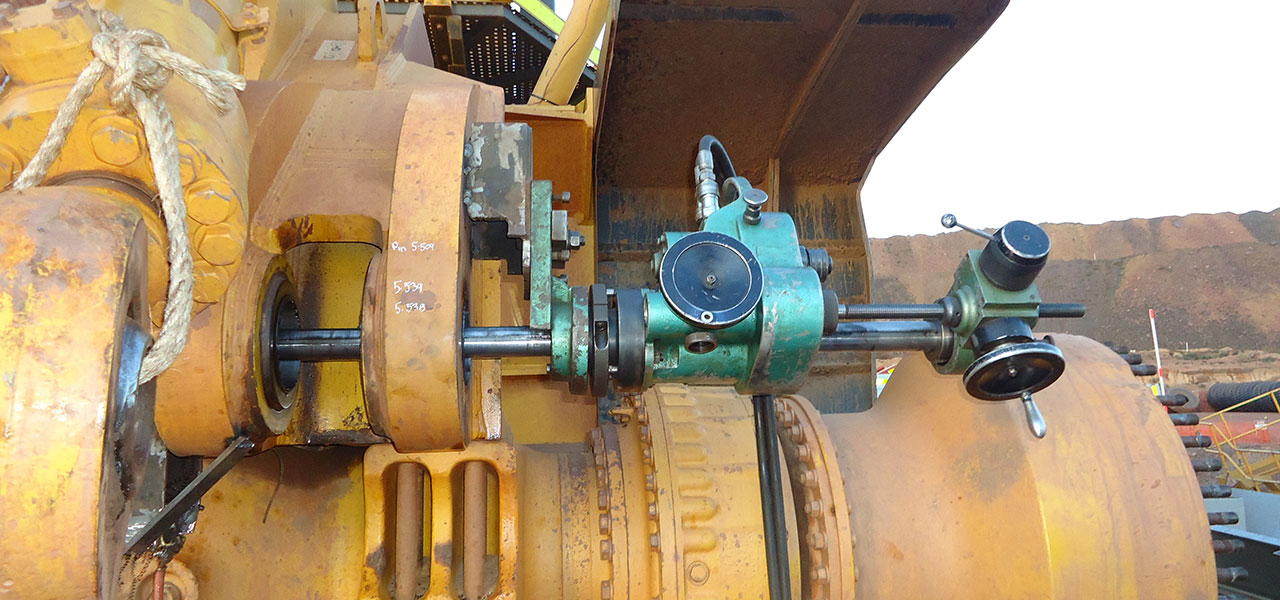
Understanding Pin and Bush Wear Dynamics
Pins and bushes are small components with a large influence on machine uptime, accuracy, and repair cost. In excavators, loaders, agricultural equipment, and other heavy machinery, the pin and bush connection carries load while allowing controlled movement at pivot points. When pin wear or bush wear accelerates, the result is loose joints, poor alignment, uneven loading, and sometimes damage that reaches far beyond the replaceable wear parts.
Understanding how wear develops helps owners, operators, and maintenance teams act earlier. With the right lubrication habits, inspections, operating practices, and repair planning, it is often possible to extend component life and avoid turning a routine maintenance job into a major structural repair.
Why do pins and bushes wear out?
Pins and bushes wear because they operate under pressure, movement, contamination, and repeated load cycles. A pin rotates or oscillates inside a bush, and that contact area depends on lubrication, alignment, surface hardness, load direction, and the working environment. When the protective grease film breaks down or abrasive material enters the joint, metal-to-metal contact increases and wear speeds up.
The basic job of the bush is to provide a controlled, replaceable bearing surface. Instead of letting the machine frame, boom, linkage, or attachment wear directly, the bush absorbs the movement around the pin. This is why pins, bushes, and bearings are designed to be serviced: they protect more expensive structures from damage.
Wear is not always even. A machine that works mostly in one motion pattern, handles offset loads, or operates on abrasive ground may develop concentrated wear on one side of the bush or pin. Over time, the round bore can become oval or “egg-shaped,” which allows extra movement in the joint and increases impact loads every time the machine changes direction.

The main forces behind pin and bush wear
Pin and bush wear is rarely caused by one factor alone. It usually comes from a combination of friction, contamination, shock loading, poor lubrication, and alignment problems. Understanding those forces makes maintenance decisions more practical because the goal is not only to replace worn parts, but to reduce the conditions that caused the damage.
Load, pressure, and movement patterns
Every pivot point has a working load. When that load is predictable and evenly distributed, the wear pattern tends to be more manageable. When a machine is frequently side-loaded, used to pry, struck with shock loads, or operated beyond its intended range, pressure concentrates on smaller contact areas.
This concentrated pressure can flatten surfaces, squeeze out lubricant, and create rapid local wear. Even if the rest of the pin and bush still looks serviceable, one heavily loaded section can loosen the entire joint. That looseness then creates more impact and accelerates wear in a cycle that becomes harder to stop.
Contamination from the worksite
Soil, sand, crushed rock, gravel, demolition dust, and water can all work their way into pivot points. Once contamination reaches the greased surface, it can behave like grinding compound between the pin and bush. This is one reason two machines with similar hours can show very different wear: the environment matters as much as the clock.
Good sealing, frequent cleaning, and disciplined greasing help push contaminants out before they do serious damage. In harsh environments, maintenance intervals often need to be treated as a minimum rather than a comfortable target.
Lubrication breakdown
Grease does more than make movement smooth. It creates a separating film between metal surfaces, carries away fine debris, and helps protect against corrosion. Many pins include grease channels or grooves that distribute lubricant across the bearing area, but those channels only work if grease is applied regularly and can actually reach the wear surface.
If a grease path is blocked, a fitting is damaged, or the wrong lubricant is used, the joint may look maintained from the outside while wearing quickly inside. A joint that refuses grease, squeaks, runs hot, or develops dry movement deserves attention before the pin and bush are damaged further.
How does uneven wear affect machine performance?
Uneven wear affects performance by allowing movement where the machine was designed to remain tight and aligned. As the bore or bush becomes oval, the pin can shift under load, causing poor attachment control, extra vibration, inaccurate digging or lifting movement, and increased stress on nearby structures. What starts as bush wear can eventually damage housings, bosses, links, and bores.
In practical terms, operators may notice clunking, delayed response, attachment rattle, drifting alignment, or visible movement at a pivot point. These symptoms are not just annoyances. Each impact transfers force into surrounding steel, which may lead to cracking, bore elongation, or the need for line boring and welding repairs.
The cost impact can vary widely. A simple pin and bush replacement may be manageable when caught early, while worn parent bores can require machining, refitting, welding, transport, downtime, and additional parts. That is why early inspection is one of the most cost-effective habits in heavy equipment maintenance.
Practical inspection signs to catch wear early
Inspection should combine visual checks, movement checks, and service observations. A joint can look acceptable from a distance but still show early signs of internal wear. Building a routine around specific checkpoints helps maintenance teams avoid relying on guesswork.
Use this checklist during regular servicing:
- Look for visible movement at the joint. Watch the pivot while the attachment is gently loaded and unloaded. Any knocking or shifting may indicate clearance growth.
- Check grease condition. Grease that comes out black, gritty, rusty, or dry can indicate contamination, water ingress, or metal wear.
- Listen during operation. Squeaking, cracking, or clunking sounds often appear before major failure.
- Inspect seals and grease fittings. Damaged seals invite contamination, while blocked fittings can starve the bearing surface.
- Measure clearances when possible. Comparing clearances over time is more useful than relying on a single inspection.
- Watch for alignment changes. Uneven bucket, boom, blade, or attachment movement may point to worn pins, bushes, or bores.

The key is consistency. A maintenance record that notes grease issues, measured movement, replacement dates, and operating conditions can reveal patterns long before a breakdown occurs.
Maintenance habits that slow pin wear and bush wear
Reducing wear is not about one perfect service action. It is about building habits that keep lubricant in place, loads balanced, contamination controlled, and alignment within tolerance. The following practices are simple, but they have a major influence on service life.
Lubricate correctly and consistently
Follow the machine or attachment manufacturer’s lubrication guidance, and adjust service attention when conditions are severe. Dusty demolition, wet clay, abrasive sand, and continuous production work can all justify closer monitoring. The goal is to maintain a clean lubricating film before the joint becomes dry.
Avoid assuming that more grease always solves the issue. If old grease cannot purge, if fresh grease escapes from only one side, or if the pin will not accept grease, there may be a blocked channel, damaged fitting, collapsed bushing, or misalignment. In those cases, the lubrication problem is also an inspection warning.
Reduce side loading and shock loading
Operator technique strongly affects wear resistance in the real world. Smooth movements, correct attachment use, and avoiding unnecessary prying reduce peak loads on the pin and bush. This matters because many pivot joints are designed for strong loads in expected directions, not repeated twisting or impact from poor positioning.
Training operators to recognize mechanical sympathy can pay off through longer component life. Small choices, such as repositioning the machine instead of forcing an attachment sideways, can reduce stress on pins, bushes, bearings, and surrounding steel.
Rotate or reposition wear components when appropriate
On some equipment, rotating pins or bushes at planned intervals can help spread contact across a wider surface area. This may delay uneven wear and keep alignment more stable. The right timing depends on machine type, operating hours, application, and manufacturer guidance, so it should be treated as a planned maintenance decision rather than a universal rule.
Rotation is most useful before wear becomes severe. Once a pin is heavily grooved or a bush is badly oval, rotating the parts may not restore correct fit. At that point, replacement or machining may be needed.
The role of material choice and wear resistance
Not all pins and bushes are the same. Material hardness, surface finish, heat treatment, coatings, lubrication design, and fit all influence wear resistance. A harder surface may resist abrasion better, but it still needs correct lubrication and alignment to perform well.
The best choice is usually application-specific. A machine working in abrasive material may need a different maintenance emphasis than one working in lighter-duty, cleaner conditions. Replacement parts should match the machine’s load requirements and fit correctly, because a poor fit can create movement even when the parts are new.
It is also important to view wear resistance as a system, not a single component feature. A high-quality pin cannot compensate for an oval bore, a blocked grease path, or a damaged bush housing. The joint works well only when the parts, bore alignment, lubrication, and operating conditions support each other.
When does line boring become necessary?
Line boring becomes necessary when the bore that supports the bush or pin has worn out of round, lost alignment, or been damaged beyond what a simple parts replacement can correct. If the new bush does not fit securely, or if the pin remains loose after replacement, the surrounding structure may need machining to restore the correct geometry.
This is where line boring can be especially valuable. The process restores worn bores to the correct centerline and size so the replacement bush and pin can fit as intended. In many heavy equipment repairs, welding and machining are used together to rebuild worn material and return the bore to serviceable condition.
Mobile line boring can reduce the logistical burden when equipment is too large, too costly, or too inconvenient to transport. Instead of moving the machine to a workshop, a technician can perform bore repair onsite when the job conditions allow. That can help reduce downtime and keep the repair focused on restoring alignment rather than simply replacing parts into a damaged bore.

A simple prevention plan for longer component life
A practical prevention plan does not need to be complicated. It needs to be repeatable, visible, and tied to how the machine is actually used. The best plans combine daily operator awareness with scheduled maintenance checks.
Consider this basic framework:
- Daily or pre-shift checks: Look for loose joints, damaged grease fittings, missing seals, and unusual noises.
- Routine lubrication: Grease at recommended intervals, and increase attention in wet, dusty, abrasive, or high-cycle conditions.
- Scheduled clearance checks: Measure and record movement at key pivot points before looseness becomes obvious.
- Operator feedback: Encourage operators to report clunks, drifting attachment control, or changes in machine feel.
- Planned intervention: Replace, rotate, or repair components before wear reaches the parent structure.
- Bore assessment during replacement: When parts are removed, inspect the bore condition rather than assuming new bushes alone will solve the problem.
This approach turns wear management from emergency response into predictable maintenance. It also helps identify whether the root cause is lubrication, contamination, loading, misalignment, or a combination of factors.
Takeaway
Pin and bush wear is a normal part of heavy machinery operation, but rapid or uneven wear is usually a sign that conditions around the joint need attention. Lubrication, contamination control, operator technique, inspection routines, and timely repair all work together to protect pins, bushes, bearings, and the structural steel around them.
When wear is caught early, maintenance may be limited to routine replacement or adjustment. When it is ignored, the repair can expand into bore damage, alignment issues, welding, line boring, and extended downtime. A consistent wear management plan is one of the simplest ways to keep equipment tighter, safer, and more productive over its working life.