
When an automatic lubrication system stops delivering grease, the bearing does not care why. It runs dry, heats up, and fails. The cost hits your maintenance budget, your production schedule, and sometimes your safety record.
Most auto lube faults follow a predictable pattern, starting at the pump or reservoir and working outward to the grease point. This guide walks you through 4 auto lube system troubleshooting steps, from the most common cause to the least, so you can isolate the fault before a critical failure.
Quick Guide: How to Troubleshoot Auto Lube Failures in 4 Steps
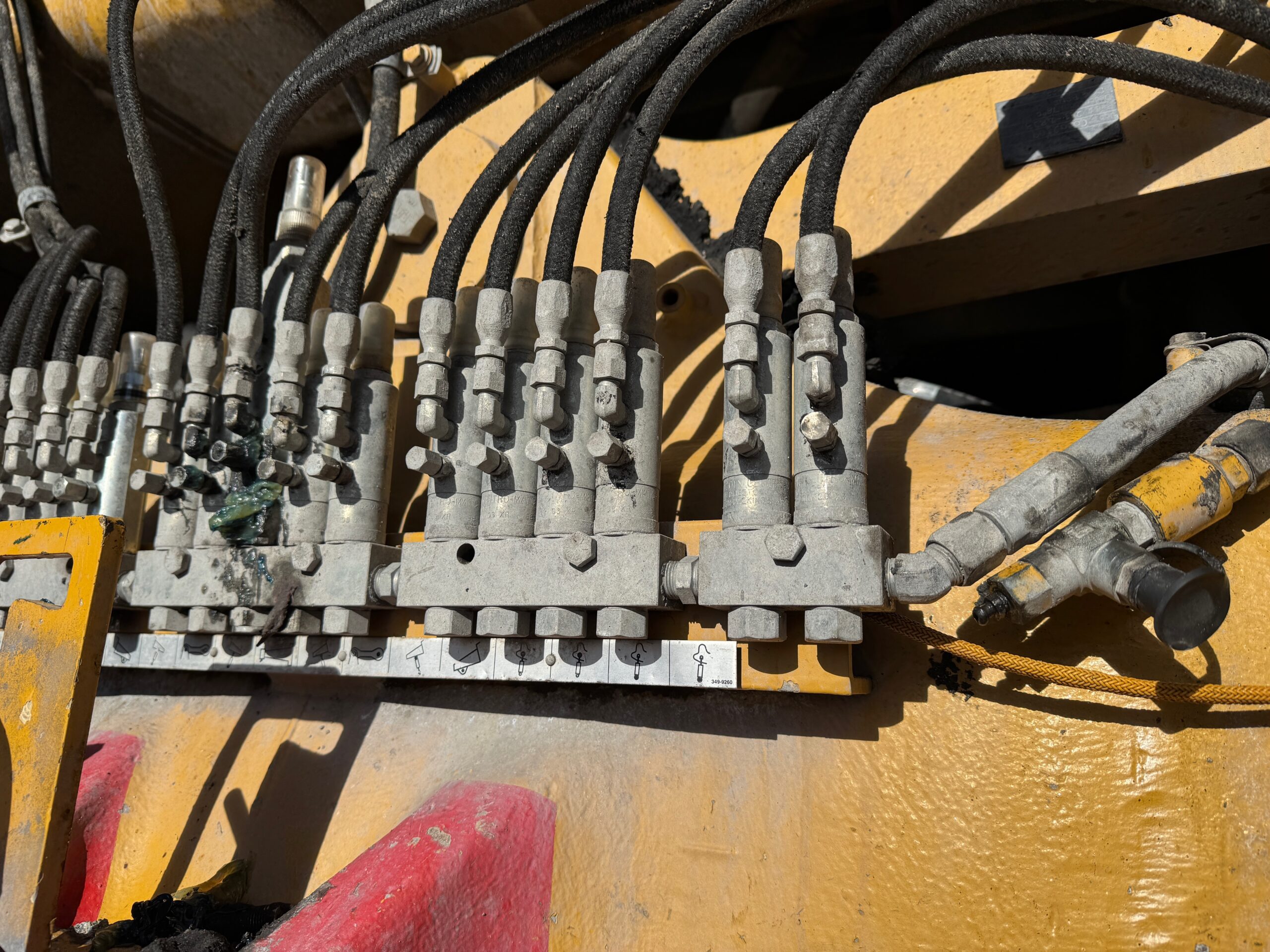
- Inspect the Pump and Reservoir. Check grease level, pump cycling, and pressure output to rule out supply-side faults.
- Trace the Trunk Line. Walk the main feed line looking for leaks, damage, or pressure drop between pump and distribution block.
- Test the Distributor or Injector. Confirm each injector resets, discharges, and delivers the correct volume per cycle.
- Verify Grease Arrival at the Point. Confirm that lubricant reaches the bearing, pin, or bushing by checking at the fitting itself.
How to Diagnose Automatic Lubrication System Failures
1. Inspect the Pump and Reservoir
The pump and reservoir are where most auto lube faults begin. If the pump cannot build pressure or the reservoir is empty, nothing downstream will receive grease.
Symptoms: All lubrication points are dry. The pump runs but does not build pressure. The grease tank level has not changed between shifts.
How to check: Open the reservoir and confirm the grease level visually. Check the grease for water contamination, separation, or hardening. Watch the pump cycle and note whether the pressure gauge responds.
What the result means: If the reservoir is empty, refill and bleed the system before investigating further. If the pump cycles but pressure stays flat, suspect worn seals, a stuck relief valve, or air in the suction path. Hardened grease can prevent the pump from drawing fluid entirely. A pump that does not cycle points to an electrical or controller fault.
2. Trace the Trunk Line
Once you confirm the pump is building pressure and the reservoir is full, move downstream. The trunk line carries grease from the pump to the distribution block. A single fault here can starve every point on the system.
Symptoms: The pump builds pressure normally, but all or most lubrication points remain dry. You may notice fresh grease around a fitting, hose clamp, or junction that suggests a leak.
How to check: Walk the main line from the pump outlet to the distribution block. Look for crushed, kinked, or abraded hoses. Check every fitting for fresh grease residue. Compare a pressure gauge reading at the manifold inlet against the pump outlet.
What the result means: A visible leak tells you exactly where grease is escaping. A pressure drop with no visible leak often indicates hardened grease or debris in the line. In cold conditions, grease viscosity can restrict flow through small-bore tubing. If the line is intact and pressure holds, the fault is further downstream.
3. Test the Distributor or Injector
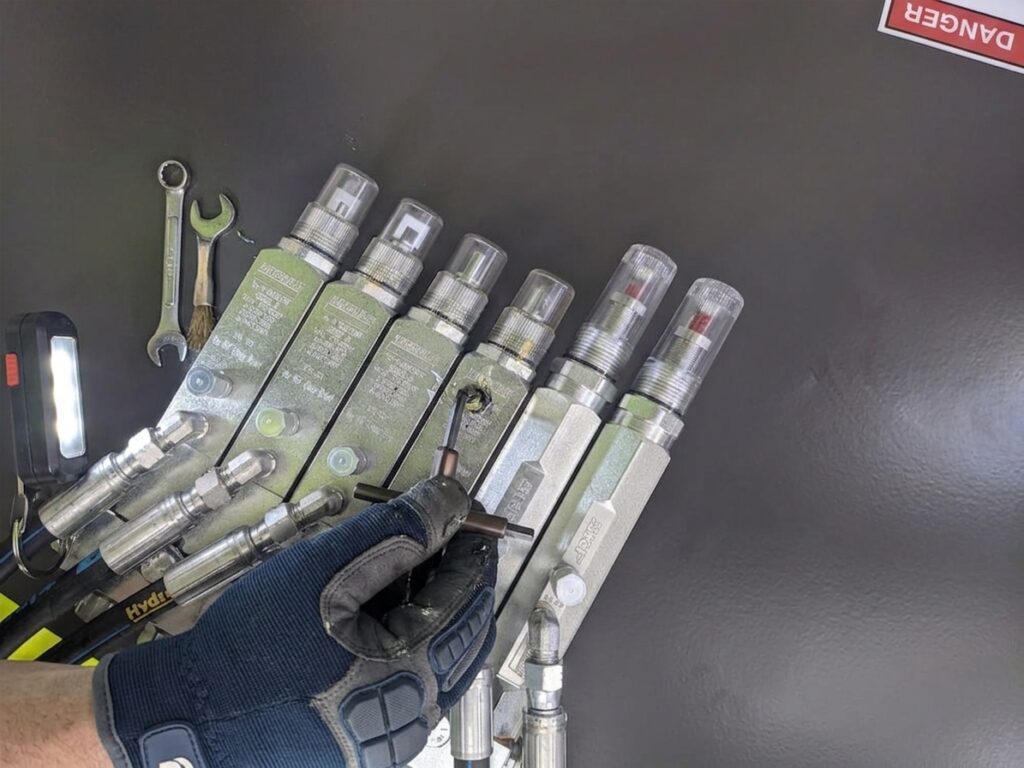
This is where faults get harder to spot. A single failed injector can leave one bearing dry while the rest of the system operates normally. Traditional auto lube alarms may not detect this because system-level pressure stays in range.
Symptoms: One or a few lubrication points are dry while others receive grease. An injector indicator pin does not move during the pump cycle. You see uneven grease discharge across a bank of injectors.
How to check:
- Watch each injector during a pump cycle. The indicator pin should extend and retract as the injector fires and resets. If an indicator does not move, the injector may be stuck, clogged, or worn.
- On progressive systems, confirm every downstream valve advances in sequence. A single jammed valve can block flow to all points after it.
What the result means: An injector that does not reset is not delivering grease to its assigned point. If it moves but discharge is inconsistent, the metering chamber may be contaminated or worn. On progressive systems, a stalled valve early in the sequence stops lubricant from reaching every downstream point. Replacing or rebuilding the faulty injector and flushing the line is usually the fix.
4. Verify Grease Arrival at the Point
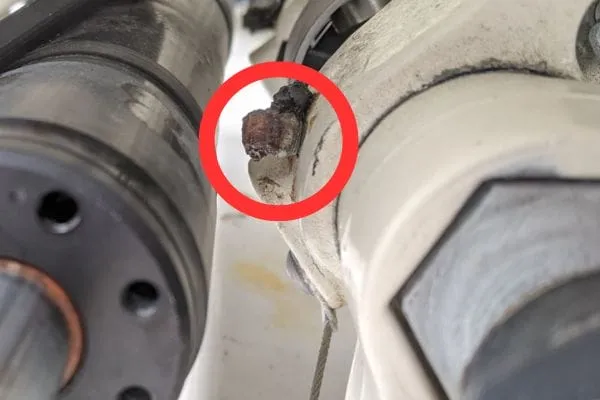
A pressure reading at the pump or even at the injector does not guarantee that grease has reached the bearing. The last section of line between injector and grease fitting can still be blocked, disconnected, or damaged.
Symptoms: The injector fires and resets normally, but the bearing still runs hot or noisy. You see no fresh grease at the fitting or around the seal.
How to check: Disconnect the line at the grease fitting and run a pump cycle. If grease flows from the open line, the blockage is at the fitting, zerk, or bearing port. If no grease flows, the blockage is in the final tubing run. On mobile equipment, check for lines crushed by debris, pinched by moving components, or severed by vibration.
What the result means: A blocked fitting usually means hardened grease has sealed the entry to the bearing. Clear it by cleaning or replacing the zerk. Manual cleaning is needed before the auto lube system can resume delivery.
What Causes Automatic Lubrication Systems to Fail Over Time?
Most auto lube failures trace back to contamination, neglected reservoirs, and missed inspections. Dirt entering during refilling is a frequent trigger. Incompatible grease types mixed in the same reservoir cause thickener separation, which clogs injectors and lines.
Temperature swings matter too. Grease that flows at 25 degrees Celsius may barely move through small-diameter tubing at minus 10 degrees. Confirm the grease grade matches conditions at both extremes of your operating range.
Vibration on heavy mobile equipment loosens fittings, fatigues hoses, and can dislodge injectors. Our Superintendent Handbook confirms that routine inspection of every connection point is one of the most effective ways to prevent cascading failures.
How Often Should You Inspect an Automatic Lubrication System?
There is no single interval that fits every site. A haul truck in a dusty quarry needs more frequent checks than a fixed plant conveyor in a covered shed. As a starting point, inspect the reservoir level and pump operation once per shift on mobile equipment and weekly on fixed plant.
Injectors and distribution lines should be checked during scheduled maintenance windows. Look for indicator pin movement, even grease discharge, and leaks. Pressure readings at the pump and manifold give you a quick comparison that can flag restrictions before a point goes dry.
Keep a log of which points fail and when. Repeat failures at the same point often indicate a routing problem or persistent contamination rather than a random component fault.
How GreaseBoss Helps You Detect Auto Lube Faults Automatically
Manual inspections catch many faults, but they depend on the right person checking the right point at the right time. GreaseBoss monitors grease delivery at the point of use, and in near real-time, so grease-related anomalies are detected sooner than later.
The system measures the exact grease volume passing through each monitored point every pump cycle. GreaseBoss Cloud compares planned versus actual delivery and sends automatic alerts when volumes fall outside specification. A bypassing injector, a blocked line, or a failed pump shows up on your dashboard before it shows up as a hot bearing.
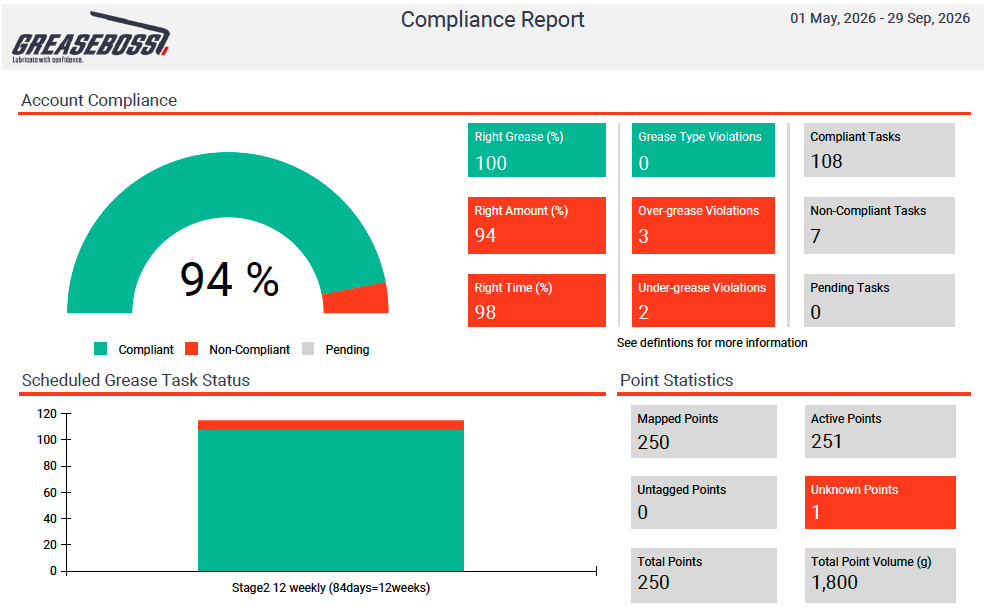
If you want to move from reactive to prescriptive maintenance across your site, speak with a GreaseBoss expert about a site assessment.
FAQs About Troubleshooting Auto Lube Failures
Why does my auto lube pump run but not build pressure?
An auto lube pump that cycles without building pressure usually has an empty reservoir or air trapped in the suction line. Start by checking the grease level, then inspect the pump seals and relief valve setting.
Can one failed injector affect other lubrication points?
On progressive systems, yes. A single jammed valve can block flow to every point downstream in the sequence.
In parallel systems, a failed injector usually only impacts its assigned point, but it can hide larger system problems if not addressed.
How do I know if the grease is reaching the bearing?
Disconnect the line at the fitting and run a pump cycle. If grease flows from the open line, the path is clear. If not, the blockage is between the injector and the fitting. A lubrication monitoring system can track volume at each point and alert you when delivery falls short.
What is the most common reason auto lube systems fail on mobile equipment?
Vibration and impact can cause fitting loosening and injector damage. Dust contamination during reservoir refilling is another frequent cause. Regular visual inspections and a verified lubrication management routine reduce these risks.