
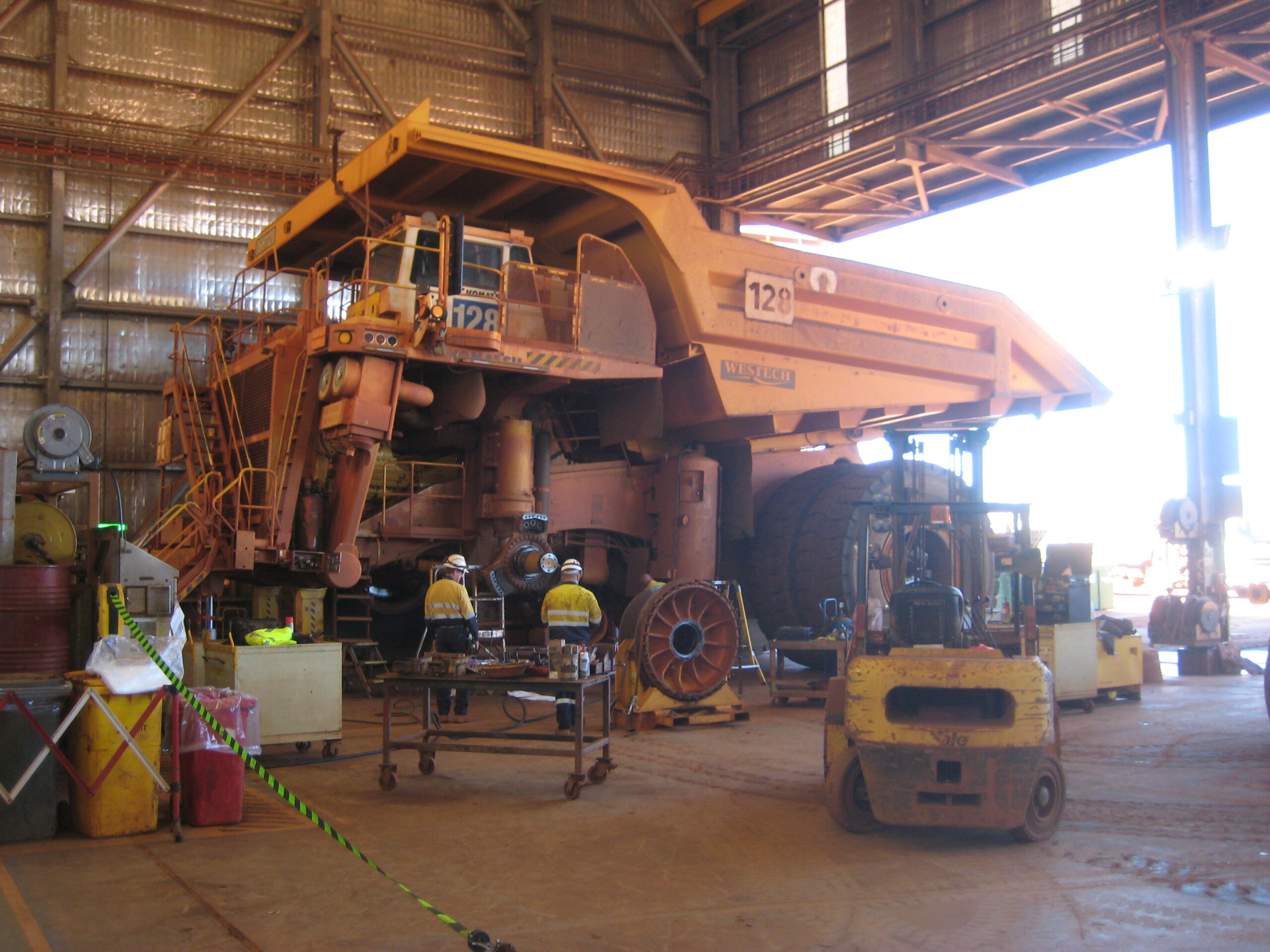
Haul trucks work under heavy loads, constant vibration, abrasive dust, and changing weather. A well-planned greasing schedule protects pins, bushings, bearings, steering points, and suspension components from premature wear while helping maintenance teams avoid both dry joints and wasted lubricant. The right frequency is not one universal number; it depends on the truck, duty cycle, environment, lubricant type, and inspection results.
How often should haul trucks be greased?
Haul trucks should be greased at intervals based on the manufacturer’s service manual, then adjusted for operating conditions and inspection feedback. In light or moderate use, some points may follow standard truck service intervals, while severe-duty applications may require lubrication daily, every shift, or at shorter hour-based intervals. The best approach is to treat the OEM recommendation as the baseline and refine it using real-world evidence: grease condition, joint temperature, contamination, noise, looseness, and component wear trends.
A truck running long shifts in a clean, dry environment does not face the same lubrication challenge as one hauling over muddy ramps, through fine dust, or in extreme heat. That is why haul truck maintenance should be built around both time and condition. If a component repeatedly shows dry, contaminated, or purged-out grease before the next planned service, the schedule is too long. If excess grease is constantly collecting around seals and attracting grit, the application amount or interval may need to be reduced.

Why greasing frequency matters in heavy equipment care
Grease does more than make metal surfaces slippery. It forms a protective film, carries additives to loaded contact surfaces, helps seal out contaminants, and cushions components exposed to shock loads. On a haul truck, these benefits are especially important because pivot points and bearings often operate under slow movement and high pressure, where a strong grease film is essential.
Poor lubrication best practices usually show up in two ways: under-greasing and over-greasing. Under-greasing allows friction, heat, corrosion, and accelerated wear. Over-greasing can rupture seals, trap abrasive material, create unnecessary cleanup, and waste product. Both problems can increase downtime because the truck may need unplanned repairs instead of predictable scheduled maintenance.
A consistent greasing program also improves inspection quality. When technicians follow the same route, use the same grease application guide, and record exceptions, small changes become easier to notice. A fitting that stops accepting grease, a joint that purges rusty lubricant, or a pin area that runs hotter than normal can all point to an issue before failure.
Key factors that change the greasing schedule
The ideal greasing schedule is shaped by several operating variables. Maintenance teams should review these factors whenever a truck is added, a route changes, production increases, or seasonal conditions shift.
Duty cycle and operating hours
A truck that runs around the clock needs a different maintenance rhythm than one used intermittently. Heavy payloads, steep grades, hard braking, tight turns, and frequent loading cycles all increase stress on lubricated components. The more intense the cycle, the shorter the interval may need to be.
Hour-based intervals are often more reliable than calendar-based intervals because they reflect actual use. However, calendar checks still matter for trucks that sit idle, especially in wet or corrosive environments. Grease can separate, fittings can corrode, and exposed surfaces can still need attention even when the meter is not climbing quickly.
Environment and contamination
Dust, sand, mud, water, chemicals, and temperature swings all affect grease performance. Fine dust can mix with excess grease and form an abrasive paste around joints. Water can wash grease away or cause corrosion. High heat may soften grease, while cold conditions can make some products harder to pump.
In severe environments, technicians may need to grease more frequently with smaller, controlled amounts. This helps flush contaminants without creating excessive buildup. It also makes visual inspection easier because fresh contamination or abnormal purging is more obvious.
Component design and accessibility
Not every grease point has the same requirement. Steering linkages, suspension pins, pivot joints, brake-related mechanisms, driveline components, and bearing housings may all have different loads, speeds, seals, and grease capacities. Some fittings need only a small amount; others require grease until clean lubricant appears at a relief path.
Accessibility also affects compliance. If fittings are hard to reach, they are easier to miss, especially during busy shifts. Clear lubrication maps, marked fittings, and standardized routes help reduce skipped points and make haul truck maintenance more repeatable.
Lubricant selection
The type of grease matters as much as the interval. Grease must match the component, load, temperature range, water exposure, and manufacturer recommendations. Mixing incompatible greases can reduce performance, so product changes should be managed carefully.
A high-quality grease used incorrectly can still fail. If the wrong consistency, thickener, or additive package is selected, it may not pump well, stay in place, or protect the surface as expected. Always connect lubricant choice to the service manual and the site’s actual conditions.
A practical grease application guide for haul trucks
A good grease application guide gives technicians a consistent process, not just a list of fittings. The goal is to deliver the right grease, in the right amount, to the right point, at the right time.
Use this field-ready checklist as a starting point:
- Confirm the lubricant. Check that the grease matches the maintenance plan and is not contaminated, mislabeled, or incompatible with what is already in use.
- Clean the fitting first. Wipe dirt from the zerk or grease nipple before attaching the coupler. This prevents grit from being pushed directly into the joint.
- Use controlled pressure. Apply grease steadily. Excessive pressure can damage seals or hide a blocked passage.
- Watch for purge points. If the component is designed to purge, look for old or contaminated grease being displaced by fresh grease.
- Stop at the right sign. Depending on the component, this may be slight seal movement, clean purge, specified pump count, or another OEM-defined indicator.
- Record exceptions. Note fittings that are blocked, missing, loose, leaking, unusually dry, or taking more grease than expected.
- Clean excess grease. Remove large buildup that can attract abrasive material or create a slip hazard during service.
This process is simple, but it creates discipline. Instead of “hit every fitting quickly,” technicians are checking condition as they lubricate. That inspection mindset is one of the most valuable lubrication best practices for heavy equipment care.
What are signs a haul truck needs greasing sooner?
A haul truck may need greasing sooner if joints appear dry, fittings accept unusually large amounts of grease, old grease purges out with water or grit, components squeak or knock, or inspections show heat, looseness, corrosion, or abnormal wear. These signs indicate that the existing interval may not be protecting the component under current conditions. When they appear repeatedly, the maintenance team should shorten the interval, review grease type, and inspect for damaged seals or blocked passages.
Operators can help by reporting changes during pre-shift checks. A steering feel that changes, a noise during articulation, or visible grease loss near a high-load joint should not be ignored. Small symptoms often appear before a component fails, but only if the team has a process for capturing and acting on them.
Maintenance records are equally important. If the same pins or bushings need replacement sooner than expected, the issue may not be the part alone. It may be contamination, poor application technique, an interval that is too long, or a route where fittings are regularly missed.
Building scheduled maintenance around real conditions
Scheduled maintenance works best when it combines manufacturer guidance with site-specific learning. Start with the service manual, create a lubrication chart, and assign intervals by component group. Then review the schedule after inspections, oil and grease observations, repair history, and technician feedback.
A useful haul truck greasing plan often includes:
- A master lubrication chart showing every grease point, lubricant type, application method, and interval.
- A standard service route so technicians work in the same order and reduce missed fittings.
- Shift or daily checks for high-risk points exposed to water, dust, or heavy loading.
- Hour-based service events aligned with broader truck service intervals.
- Exception reporting for blocked fittings, leaking seals, abnormal purge, or repeated dryness.
- Periodic schedule review based on component life, downtime, and inspection findings.
This structure keeps lubrication from becoming a guessing game. It also makes training easier because new technicians can follow a clear route and understand what “normal” looks like at each point.

Common greasing mistakes that shorten component life
Even experienced teams can fall into habits that reduce lubrication effectiveness. The most common mistakes are usually preventable with clear standards and routine coaching.
One frequent issue is greasing dirty fittings. A few seconds of cleaning can prevent abrasive particles from entering the component. Another is using pump count as the only guide. Pump count can help with consistency, but it does not replace watching the component and following the OEM procedure.
Overlooking blocked fittings is another serious problem. If grease does not enter, pressure may build at the gun while the joint remains dry. Forcing it harder is not a fix; the fitting, passage, or component should be inspected. Teams should also avoid mixing greases without checking compatibility, because not all products work well together.
Finally, poor documentation weakens the whole program. If technicians do not record abnormal findings, the next person may assume the point was serviced successfully. A simple note can trigger repair before a dry joint becomes a costly failure.
Balancing lubrication best practices with uptime
The purpose of greasing is not to add maintenance work; it is to protect uptime. A truck pulled from production for a short, planned service event is usually easier to manage than one stopped unexpectedly for component damage. The challenge is finding the balance between enough lubrication and excessive servicing.
That balance comes from measurement. Track recurring dry points, grease consumption, component replacement patterns, and technician notes. If a change in interval improves component condition without creating excess waste or cleanup, it may be worth standardizing. If more grease does not improve results, the real issue may be contamination control, wrong lubricant selection, damaged seals, or poor application technique.
Good heavy equipment care is rarely about one perfect interval. It is about building a responsive system. The schedule gives structure, inspections provide feedback, and maintenance records show whether the plan is working.
Final takeaway
The optimal greasing frequency for haul trucks starts with the manufacturer’s recommendations and becomes more accurate when adjusted for load, hours, environment, component condition, and inspection history. A strong greasing schedule uses the right product, clean application methods, consistent routes, and clear documentation.
For reliable haul truck maintenance, focus on condition as much as the calendar. Grease before parts run dry, avoid excess that traps contamination, and treat every lubrication task as an inspection opportunity. Done well, scheduled maintenance becomes one of the simplest ways to extend component life and keep trucks working when they are needed most.