
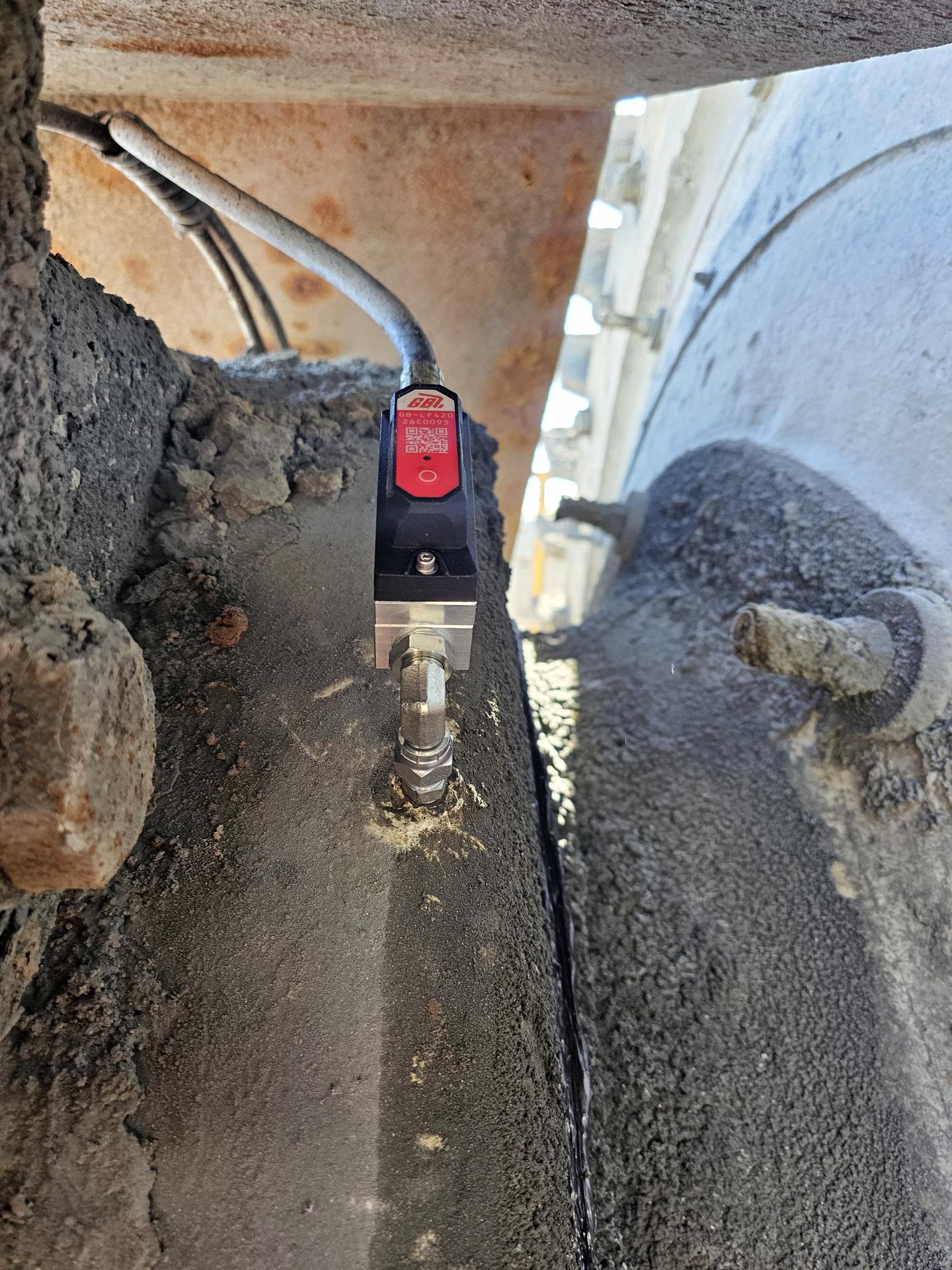
Automatic lubrication monitoring systems combine controlled lubricant delivery with feedback about how the lubrication equipment is performing. They help maintenance teams detect delivery problems, reduce repetitive servicing, and make better-informed decisions about machine care. Their value comes from pairing automation with visibility not simply replacing a grease gun with a pump. (skf.com)
What do automatic lubrication monitoring systems actually monitor?
Automatic lubrication monitoring systems track selected operating signals, such as reservoir level, line pressure, lubricant flow, or metering-device movement. A controller interprets those signals and communicates status or faults to an operator or machine control system. The available information depends on the sensors, system layout, and controls installed. (skf.com)
It helps to separate three related functions: delivering lubricant, confirming system operation, and assessing lubricant health. A pump can run without proving that every bearing received its required quantity. Likewise, a satisfactory delivery signal does not establish that the lubricant remains clean and suitable for service; that requires different measurements. (skf.com)
Typical monitoring signals provide different clues:
- Reservoir level: Identifies when lubricant needs replenishment before the supply is exhausted.
- Line pressure: Helps assess whether the system develops the pressure expected during a cycle.
- Metering-device movement: Provides feedback that a monitored progressive divider is cycling.
- Flow or volume: Shows lubricant movement or quantity at the measurement location. (skf.com)

The practical benefits for industrial maintenance
More consistent lubricant delivery
Automatic systems can supply measured quantities at configured intervals rather than relying entirely on individual servicing visits. Certain arrangements can also coordinate dispensing with machine operation, making them useful for equipment that runs intermittently. This provides greater control over when lubricant is supplied and how much is dispensed. (skf.com)
Monitoring adds feedback to that routine. Instead of assuming the schedule was executed successfully, technicians can review the operating signals available from the installation. However, the settings still need to match the application: automatically repeating an unsuitable quantity or interval does not make the lubrication practice correct. (graco.com)
Earlier warning of delivery faults
A monitored system can draw attention to problems that would otherwise remain unnoticed between inspections. For example, in a series-progressive arrangement, a blockage or excessive resistance can stop divider cycling, allowing the controller to flag a fault. That warning gives technicians an opportunity to investigate instead of continuing under the assumption that lubrication is proceeding normally. (graco.com)
The response should match what the alarm actually indicates. A cycle fault is a reason to inspect the relevant pump, distribution components, and lines, not proof that a particular bearing has failed. Ask the supplier to explain both the faults the proposed configuration can detect and those outside its monitoring coverage.
Less repetitive servicing and better task allocation
Automatic delivery can reduce repeated point-by-point lubrication work, while suitable connected arrangements make operating information available remotely. These capabilities are particularly relevant when a route includes numerous service points or equipment requiring frequent attention. Technicians still need to replenish lubricant, inspect components, and resolve faults; their work changes rather than disappears. (skf.com)
A practical approach is to redirect the time released toward inspection and corrective work. Keep checks for damaged tubing, loose fittings, contamination around filling points, and unresolved alarms on the maintenance route. Treat remote visibility as a way to focus fieldwork, not as permission to abandon physical inspections.
Better records for troubleshooting
Connected lubrication technology can provide pressure, quantity, and cycle information, depending on the equipment selected. Some controllers also retain fault information or communicate signals to a machine controller. These records make lubrication tracking more useful than a simple confirmation that somebody completed a scheduled task. (cdn.skfmediahub.skf.com)
For practical troubleshooting, record the asset, alarm, operating state, action taken, and verification result together. If the same fault returns, compare those entries before changing settings again. A consistent record gives the next technician a starting point instead of requiring the investigation to begin from scratch.
How does lubricant condition monitoring add value?
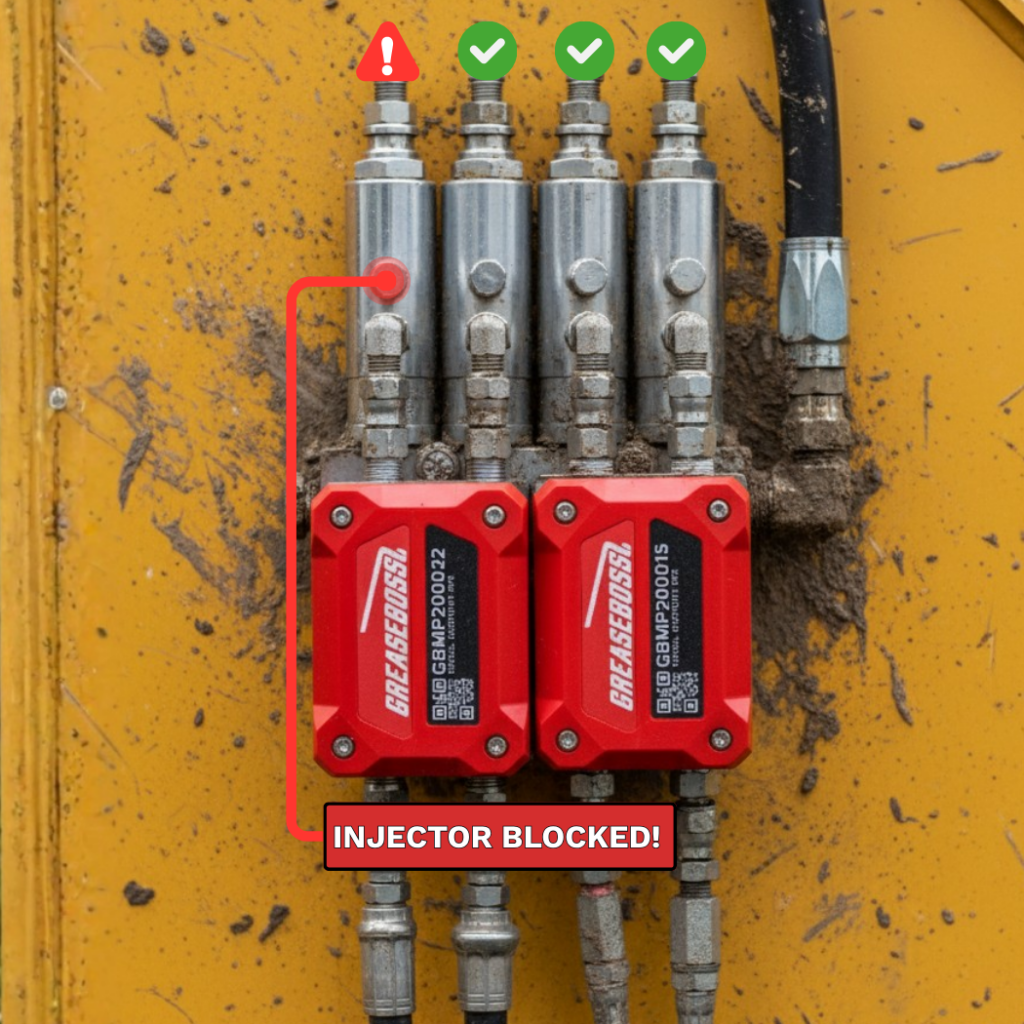
Lubricant condition monitoring evaluates the lubricant itself, rather than only checking delivery-system operation. Depending on the sensor and application, it can provide information about water contamination, grease condition, or wear particles in circulating oil. This adds another perspective to the question of whether the machine is receiving effective lubrication. (schaeffler.us)
For example, a delivery system may report normal operation while separate condition measurements indicate contamination. Conversely, acceptable lubricant condition does not demonstrate that every supply line is delivering correctly. These functions answer different questions, so specify them separately rather than assuming that an automatic lubrication package includes both. (skf.com)
Where appropriate, lubricant data can be considered alongside vibration readings, temperature, and oil-analysis results. Schaeffler describes combining wear-particle and vibration information, while SKF recommends interpreting oil-analysis trends with operating conditions and other condition indicators. The practical lesson is to investigate patterns using complementary evidence, rather than treating one reading as a complete diagnosis. (schaeffler.us)
Choose monitoring around the maintenance problem
Start the specification with a decision you need to make. Do you need earlier refill warnings, confirmation of divider cycling, visibility of delivered flow, or evidence of lubricant contamination? These requirements call for different measurements and should not be treated as interchangeable features. (skf.com)
Use a short evaluation checklist before comparing proposals:
- Define the asset and consequence: Identify which lubrication points matter most to production and what happens if their supply is interrupted.
- Map monitoring coverage: Ask where measurements occur and whether feedback represents a pump, distribution section, or individual supply point.
- Specify the response: Decide who receives each alarm, what they should inspect, and when escalation is required.
- Check serviceability: Review refill access, inspection access, replacement parts, and the skills needed to troubleshoot the installation.
- Confirm data needs: Request only the records and integrations that support a defined maintenance decision.
Apply the same discipline when considering an upgrade from a manual lubrication system. Compare the proposed installation with a well-managed manual process, not an assumed worst case. Include installation, commissioning, training, inspections, and ongoing servicing in the evaluation rather than considering pump cost alone.
Build monitoring into a lubrication management program
Monitoring works best within a lubrication management program that already defines lubricant selection, quantities, intervals, documentation, training, and system maintenance. SKF identifies these activities as core elements of lubrication management. Technology supports that foundation; it does not replace the need to establish it. (skf.com)
A controlled rollout keeps the project focused:
- Establish a baseline. Record existing service time, lubricant use, lubrication-related work orders, and recurring faults. Define which costs and events belong in the comparison before installation.
- Pilot a representative asset. Choose equipment with a clear maintenance problem and accessible operating history. Avoid making the first installation so broad that faults and benefits become difficult to attribute.
- Verify operation during commissioning. Follow the supplier’s procedure to check delivery, sensor signals, alarm routing, and restoration after a fault. Document what each displayed status does and does not confirm.
- Assign ownership. Name the people responsible for refills, alarm review, physical inspection, and settings changes. Include handover instructions so an unresolved warning does not disappear between shifts.
- Review outcomes before expanding. Compare results with the baseline, investigate recurring alerts, and adjust procedures where needed. Expand when the installation demonstrates useful, maintainable performance.
Keep the business case grounded in your own records. Separate reduced routine labor from avoided repair costs, and distinguish measured changes from expected benefits. Where results depend on production volume or operating hours, use a consistent comparison period and document changes in machine duty.
Make visibility lead to action
The strongest reason to adopt automatic lubrication monitoring is not to collect more signals. It is to connect a useful signal with a clear maintenance response. Define what must be monitored, understand the limits of each measurement, and give technicians a practical process for acting on the information. Start with a focused application, verify performance, and let documented results guide the next investment.